
Views: 0 Author: Site Editor Publish Time: 2025-10-17 Origin: Site


Static electricity may seem harmless, but it can be a costly issue in electronics assembly lines. Its often invisible impact leads to significant losses and production disruptions. In this article, we will discuss how Electrostatic Discharge (ESD) affects product quality and operational efficiency. You will learn why static electricity is a hidden cost and how to mitigate its effects.
Static electricity’s invisible nature makes it particularly challenging to detect the damage it causes, especially when the effects are delayed. Electrostatic Discharge (ESD) can cause components to fail intermittently or degrade slowly over time, often without visible signs during initial testing or quality control. For example, a microprocessor may work initially, but the damage caused by an unnoticed ESD event could cause it to malfunction later, leading to product failure after it’s already in the market.
This type of damage can lead to unexpected product failures once the product reaches the customer, resulting in expensive warranty claims and a tarnished reputation. The key concern here is the delayed nature of the damage, which makes it harder to pinpoint and prevent.
While latent damage is insidious, immediate ESD damage is far more visible and costly. A single, powerful ESD event can destroy sensitive components like integrated circuits, semiconductors, or microprocessors. When this happens, the damaged product is immediately deemed unusable, and the materials are wasted. This results in both direct material costs and the labor costs associated with handling defective products.
This scenario creates significant financial pressure on manufacturers. For instance, in an assembly line where thousands of components are being processed daily, the cost of these immediate scrap events quickly adds up, especially when the product’s components are expensive or hard to source. Moreover, the labor costs involved in identifying the defective parts, replacing them, and fixing the product all contribute to unnecessary operational costs, cutting into profitability.
Once a product reaches the customer, any ESD-related failure that manifests—whether as performance degradation or a full-blown product breakdown—becomes a liability. Warranty claims cost manufacturers both money and time. The company may need to replace the product, refund the customer, or provide additional support, all of which can be expensive.
Additionally, if customers experience multiple failures or delays due to ESD-related issues, it can severely damage the company's reputation. Negative reviews, loss of customer trust, and reduced sales can result from perceived product unreliability, even if the issues are not immediately apparent in the production phase.
Tip: Establishing stringent ESD control procedures early in the manufacturing process helps reduce the likelihood of warranty claims and reputation damage, ultimately saving costs and building customer trust.
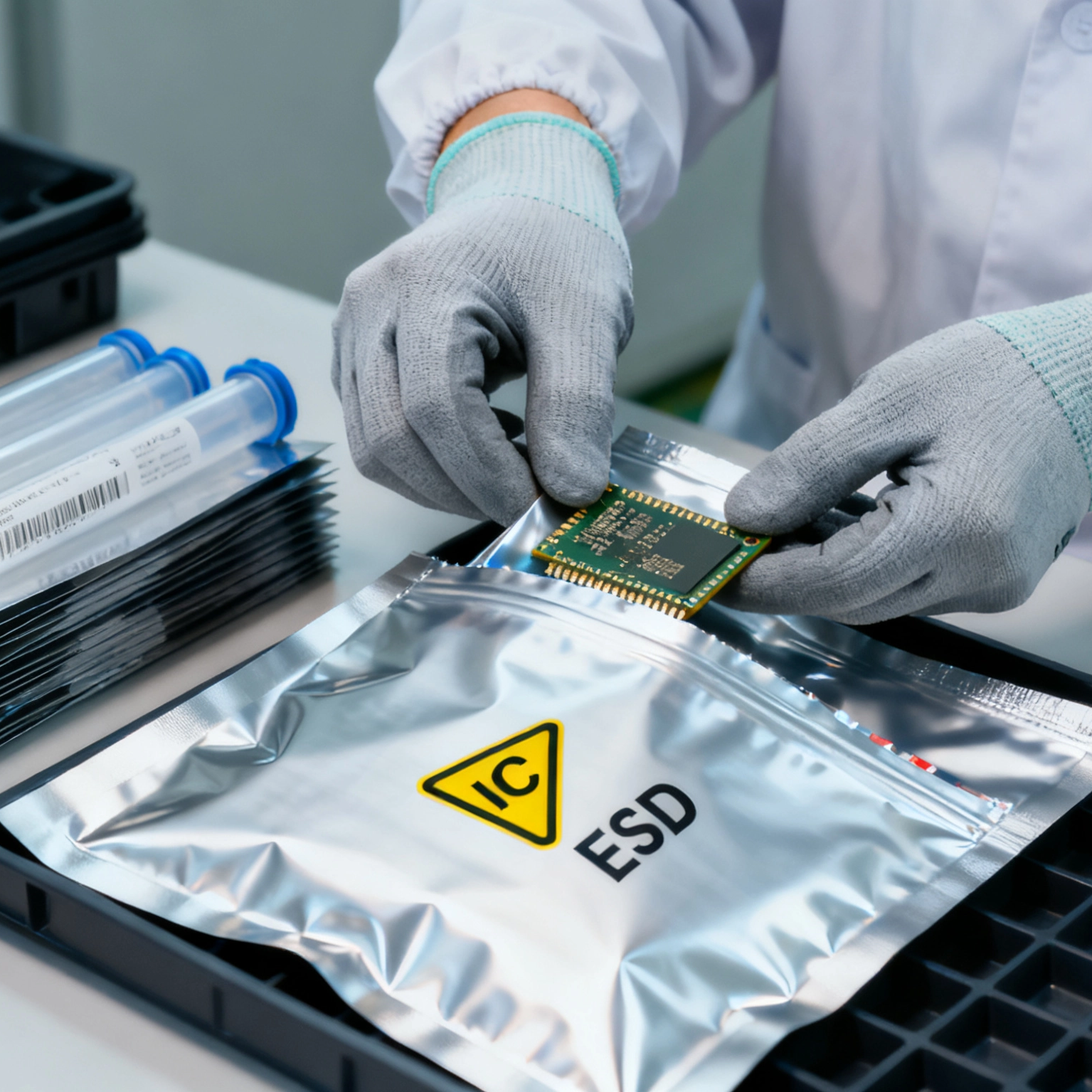
One of the primary consequences of static electricity in electronics manufacturing is its ability to attract dust, dirt, and other particles. In a cleanroom environment, even a small amount of contamination can ruin a product’s functionality. Static electricity causes these particles to cling to surfaces, especially in assembly areas where delicate electronic components are assembled.
These particles can interfere with the fine, intricate details of circuit boards and microchips, causing defects that reduce the performance and lifespan of the product. Even components as simple as capacitors or resistors can malfunction when dust or debris interrupts the normal function of the circuit, leading to additional repair costs and product defects.
Due to the contamination caused by static, manufacturers often find themselves needing to perform more frequent and thorough cleaning of their facilities. In some cases, this means shutting down the assembly line temporarily, which affects production schedules and reduces overall throughput. Specialized equipment, such as air ionizers, is often required to help eliminate static-related contamination, adding another layer of complexity and expense to the cleaning process.
The added costs of maintenance and the time spent on cleaning directly affect the bottom line. Additionally, increased downtime for cleaning also reduces the overall production throughput, causing delays and slowing the assembly process.
In electronics assembly lines, static can cause significant process interruptions. For example, materials might become "sticky" due to electrostatic forces, or equipment might experience misfeeds or jams. These interruptions are frustrating, as they cause production to halt, impacting the overall workflow and causing costly delays.
If static causes a material to stick to machinery or other components, the production line comes to a halt. These interruptions slow down the assembly process, leading to reduced output and efficiency. Manufacturers may need to invest in extra equipment or modify existing systems to mitigate these risks, adding another layer of cost to the production process.
Tip: Addressing static electricity early in the design and setup of manufacturing lines can significantly reduce process interruptions and improve overall throughput.
One of the most severe consequences of ESD is its potential to ignite flammable gases or materials, leading to fires or explosions. This is a significant safety risk, particularly in manufacturing environments where volatile materials, such as chemicals or gases, are present.
Though rare, static discharges in such environments can have devastating effects. The consequences of a fire or explosion go beyond production delays; they can result in loss of life, severe injury, and substantial property damage.
While fires and explosions are extreme cases, static electricity can also pose risks to workers' health. In environments where workers handle sensitive electronics or machinery, static discharges can result in shocks that cause burns or other injuries. Workers who are exposed to constant ESD may also experience health issues, particularly those with pacemakers or other implanted medical devices, as static electricity can interfere with their operation.
Additionally, when static attracts dust or dirt, it can create unsanitary conditions that could lead to respiratory problems or other health concerns. Ensuring that the workplace is free of static electricity helps protect the health and safety of all workers on the production floor.
Static electricity damage is often described as a "hidden cost" because its effects are not immediately visible. The impact of a single ESD event might not be apparent during the testing phase, and the component could continue to function for days, weeks, or even months before failure occurs. By then, the connection to the initial ESD event is lost, making it difficult to prevent similar issues from arising in the future.
Because of the delayed nature of the damage, manufacturers often don’t realize the full extent of the costs associated with ESD until the product has already been shipped to customers. As a result, companies find themselves dealing with unexpected repairs, warranty claims, and damaged reputations long after the manufacturing process has ended.
Even though static discharges may seem minor in isolation, their cumulative impact is significant. A large number of small ESD events can result in a substantial increase in scrap rates, repair costs, and lost productivity over time. These small, incremental costs can add up quickly, especially in high-volume manufacturing environments where thousands of components are being produced daily.
The compounded effect of multiple ESD events over time can result in a larger hidden cost than any single incident. For manufacturers, recognizing the potential long-term impact of static electricity is essential to reducing these ongoing costs.
Tip: Regular monitoring and mitigation of static electricity throughout the manufacturing process can help avoid the compounded costs of small ESD events.
One of the primary contributors to static electricity in electronics manufacturing is synthetic materials. These materials, such as plastics, rubber, and certain textiles, have low conductivity, which means they are more likely to retain static charges.
When these materials come into contact with other objects or materials, they generate and retain static charges, which can lead to ESD. For example, plastic components, used extensively in electronics, can carry static charges that cause issues when interacting with other materials or sensitive components on the assembly line.
Certain areas of the assembly line are more prone to static build-up. Areas where sensitive electronic components are handled or where fast-moving assembly lines operate are especially vulnerable. As production rates increase, the likelihood of static build-up also increases. Identifying these high-risk areas and materials is critical for reducing the potential impact of static on product quality.
Materials like foam packaging and Styrofoam, commonly used for storing sensitive components, are also significant sources of static electricity. Understanding the risks associated with each material allows manufacturers to implement targeted strategies to control static in these areas.
| Material Type | Risk Level | Mitigation Strategy |
|---|---|---|
| Plastic | High | Use antistatic coatings or materials |
| Rubber | Medium | Proper grounding and use of ionizers |
| Foam Packaging | High | Replace with conductive materials or ionized packaging |
| Metal | Low | Ensure proper grounding to prevent charge buildup |
To prevent static electricity from causing damage, grounding is one of the most effective mitigation strategies. By connecting equipment and workers to the ground, static charges are safely discharged, preventing the build-up of potentially harmful energy. Grounding mats, wrist straps, and heel straps are commonly used tools that help dissipate static charges safely.
Manufacturers should also ensure that sensitive components are handled correctly, using anti-static tools and materials. Proper training for workers on the risks of ESD and how to handle components safely is a key part of an effective ESD control program.
Ionizers can be installed in work areas to neutralize static charges on surfaces and components. These devices release charged ions that balance the positive and negative charges on nearby materials, preventing static build-up and reducing the likelihood of ESD events.
In addition to ionizers, maintaining a controlled environment with regulated humidity levels is important for reducing static. Higher humidity levels make it more difficult for static charges to accumulate, creating a safer and more efficient production floor.
An effective ESD protection program goes beyond just using equipment—it involves creating a comprehensive strategy that includes worker training, regular testing, and compliance with industry standards. ESD control programs should include grounding techniques, anti-static equipment, ionization, and environmental controls to minimize static risks.
Routine audits and monitoring are essential to ensure the program remains effective and that all employees adhere to proper procedures.
Static electricity is a hidden cost in electronics assembly lines, often going unnoticed until it leads to significant financial losses, product failures, and damage to a company’s reputation. By understanding its impact and taking proactive steps to mitigate its effects, manufacturers can improve product quality, reduce downtime, and safeguard their workforce. Implementing effective static control measures such as grounding, ionization, and a comprehensive ESD protection program is crucial for reducing costs and ensuring long-term success in the competitive electronics manufacturing industry. GD Decent Industrial offers products designed to mitigate static electricity risks, enhancing manufacturing efficiency and product quality.
A: Static electricity is an imbalance of electric charges on a surface. In electronics assembly lines, it can cause Electrostatic Discharge (ESD), damaging sensitive components, leading to product failures and increased costs.
A: Static electricity can cause both immediate and latent damage to products. These effects are often invisible, making it difficult to trace, leading to long-term financial losses from scrap, repairs, and warranty claims.
A: Manufacturers can implement grounding techniques, use ionizers, and maintain controlled humidity to reduce static build-up, preventing ESD-related damage and improving product quality.
A: The main costs include product damage, increased scrap rates, warranty claims, and production disruptions due to contamination or process interruptions caused by static electricity.
A: Proper control of static electricity enhances product quality, reduces downtime, protects workers, and prevents costly product failures, leading to higher efficiency and profitability.
