Static control materials are widely used to reduce electrostatic buildup, protect sensitive products, and improve handling conditions in electronics, packaging, medical, cleanroom, and industrial manufacturing environments. In many production processes, uncontrolled static electricity can attract dust, contaminate surfaces, affect packaging performance, and increase the risk of electrostatic discharge damage. Professional static control materials help solve these problems by supporting more reliable static electricity control, safer product storage, and cleaner production conditions.
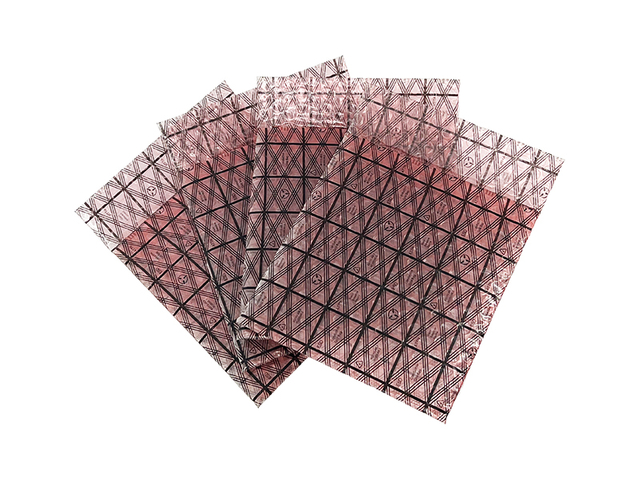
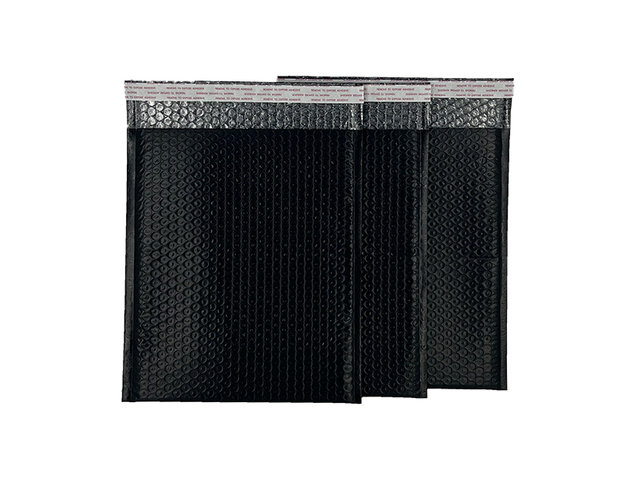
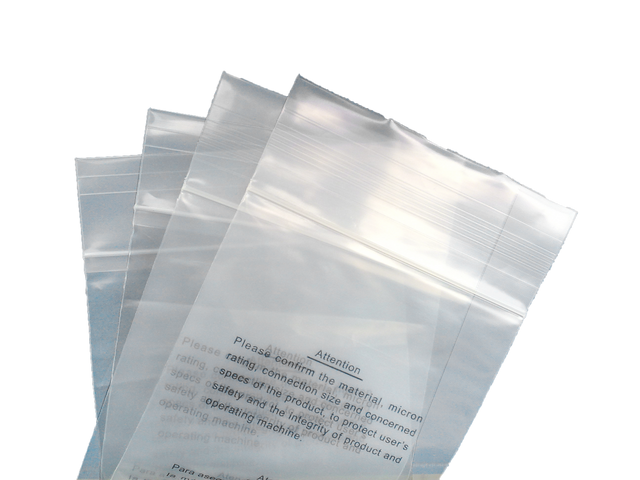
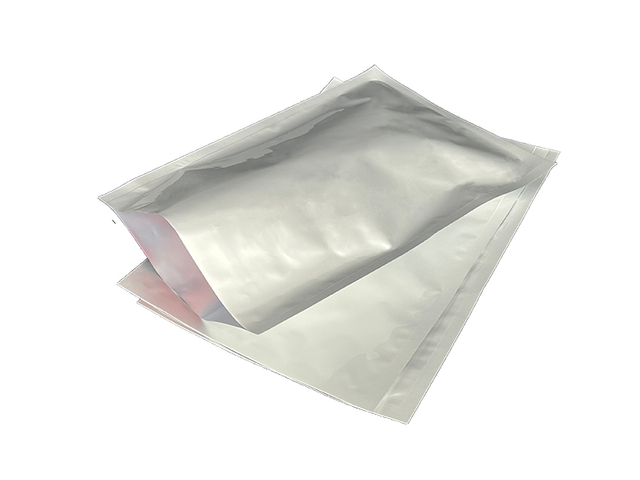
This category includes a range of anti-static materials and ESD packaging materials designed for applications where stable electrostatic protection is important. Common products include antistatic bags, antistatic films, antistatic foams, and anti-static labels, all of which are widely used in packaging, storage, transport, and product protection. As an important part of industrial static control, these static control materials help manufacturers improve packaging quality, reduce contamination risks, and support more dependable handling of static-sensitive components and finished goods.
Static control materials refer to packaging and protective materials specially designed to reduce, dissipate, or manage electrostatic charge during storage, transportation, and production. Unlike active static control equipment such as ionizing bars or ion fans, these materials provide passive electrostatic protection by helping prevent charge buildup on surfaces or by improving the safety of packaged items in static-sensitive environments.
In practical applications, static control materials are often used together with broader static control products and static control systems to create a more complete electrostatic protection strategy. For example, a manufacturer may use ionization equipment on the production line and then use antistatic bags, antistatic foam, or antistatic films for final packaging and transport. This combination supports more effective ESD protection and better overall static electricity control throughout the full production and delivery process.
This static control materials category mainly includes antistatic bags, antistatic films, antistatic foams, and anti-static labels. Each product type is designed for a different part of the packaging or protection process, but all are used to support safer handling and improved electrostatic management.
Antistatic bags are widely used for packaging electronic components, PCBs, ICs, modules, and other static-sensitive products. They are an important type of ESD packaging material for storage and shipping. Antistatic films are commonly used in wrapping, surface protection, and packaging line applications where flexible anti-static coverage is needed. Antistatic foams provide both cushioning and electrostatic protection, making them suitable for fragile electronic parts and precision products. Anti-static labels help support identification, packaging management, and compatibility with static-sensitive packaging systems in production and logistics environments.
Using professional static control materials offers several important benefits in industrial and packaging applications. One major benefit is improved ESD protection for electronic parts, assemblies, and finished products. Proper anti-static packaging materials help reduce the chance of electrostatic damage during handling, storage, and transport.
Another key advantage is cleaner and more stable packaging performance. Static charge often causes dust attraction, surface contamination, packaging sticking, and handling difficulties. By using suitable static control materials, manufacturers can improve packaging quality, reduce contamination risks, and make product handling more efficient. In industries where cleanliness and precision matter, these materials also support better visual quality and more consistent packaging results.
Static control materials are also valuable because they can be used across many industries. From electronics and semiconductors to medical products, precision parts, and industrial packaging, these static control products help improve protection and support better long-term storage and transportation conditions.
Static control materials are widely applied in industries where electrostatic protection is an important part of product quality and handling safety. Common applications include electronics manufacturing, PCB and IC packaging, semiconductor-related handling, medical packaging, cleanroom supply systems, plastic product packaging, precision component storage, and industrial transport protection.
In electronics packaging, antistatic bags and antistatic foams are frequently used to protect circuit boards, chips, connectors, cables, and sensitive modules. In medical and clean manufacturing environments, static control materials help reduce contamination risks and improve packaging cleanliness. In logistics and industrial transport, these anti-static materials support safer movement and storage of static-sensitive products. Because of these wide applications, static control materials are an essential part of modern industrial static control and packaging management.
A complete electrostatic protection strategy usually involves both equipment and materials. While static control equipment actively neutralizes charge in the production environment, static control materials help extend that protection during packaging, warehousing, shipment, and final delivery. This makes them a critical part of total static control solutions for manufacturers and suppliers working with sensitive products.
For example, a production line may use ionizing bars or ion fans for real-time static electricity control, while antistatic bags and antistatic foam are used afterward for safe packaging and transportation. In this way, static control materials support the broader goal of controlling static electricity from initial manufacturing to final shipment. They help improve reliability, strengthen ESD packaging performance, and reduce the risk of damage after products leave the production line.
Choosing the right static control materials depends on the product type, required protection level, packaging method, and storage or transport environment. Some products need flexible antistatic films for wrapping or surface coverage, while others require antistatic bags for enclosed packaging. Fragile or delicate products may benefit from antistatic foam for extra cushioning, and labeled packaging systems may require compatible anti-static labels for traceability and handling support.
For companies looking to improve static electricity control products and packaging quality, selecting the right static control materials can make a significant difference in both protection and efficiency. The best material choice should match the application, the electrostatic sensitivity of the product, and the demands of the overall packaging process.
Reliable static control materials help manufacturers create safer, cleaner, and more stable packaging systems for static-sensitive products. They support better ESD protection, reduce contamination, improve storage safety, and help control electrostatic risks across the full supply chain. Whether the need is for antistatic bags, antistatic films, antistatic foams, or anti-static labels, these materials play an important role in effective static control and anti-static packaging management.
As part of a complete range of static control products, static control materials are essential for businesses that need dependable electrostatic protection in electronics, medical, cleanroom, industrial, and packaging applications. By combining suitable materials with the right static control systems, companies can better control static electricity and achieve more reliable packaging and handling performance.

Quick Links
Support
Contact Us