
Views: 0 Author: Site Editor Publish Time: 2025-08-08 Origin: Site


Electrostatic sensors are becoming increasingly important in industrial automation, offering precise detection and control of static electricity. These sensors play a crucial role in enhancing productivity, improving product quality, and ensuring worker safety. By integrating electrostatic sensors into automation systems, manufacturers can achieve significant improvements in their operations. This comprehensive guide explores the functionality, benefits, and applications of electrostatic sensors in industrial automation.
Electrostatic sensors are devices designed to detect changes in electrostatic fields caused by charged particles. Unlike traditional sensors that rely on mechanical contact or optical detection, electrostatic sensors measure the electric field directly. This unique capability makes them highly sensitive and versatile, allowing them to detect both metallic and non-metallic particles.
| Sensor Type | Detection Method | Advantages | Limitations |
|---|---|---|---|
| Electrostatic Sensor | Direct measurement of electric fields | High sensitivity, non-contact measurement | Limited to charged particles |
| Proximity Sensor | Detects objects based on distance | Versatile, easy to integrate | Requires physical proximity |
| Optical Sensor | Uses light to detect objects | High precision, non-contact | Affected by environmental light |
| Vibration Sensor | Measures mechanical vibrations | Useful for predictive maintenance | Limited to mechanical disturbances |
Electrostatic sensors are indispensable tools in industrial automation, primarily because they can detect and control static electricity, a common yet often overlooked issue in many industrial environments. Static electricity can build up during various processes, such as material handling, packaging, and assembly. If left unchecked, static charges can lead to a range of problems, including product defects, equipment malfunctions, and even safety hazards. By detecting and controlling static charges, electrostatic sensors help maintain optimal production conditions, ensuring high-quality products and a safe working environment.
Electrostatic sensors are widely used in automated production lines across various industries. These sensors provide real-time monitoring and control of static charges, ensuring optimal production conditions and high-quality products. In electronics manufacturing, for instance, static charges can damage sensitive components, leading to defects and reduced product quality. By integrating electrostatic sensors into the production line, manufacturers can detect and mitigate static charges, preventing defects and improving overall product reliability. Similarly, in the automotive industry, static-free environments are crucial during painting and assembly processes to ensure a smooth and high-quality finish. Electrostatic sensors help maintain these conditions by continuously monitoring and controlling static charges.
Electrostatic sensors are used in a variety of industries, each benefiting from their unique capabilities. In electronics manufacturing, these sensors are critical for detecting and controlling static charges that can damage sensitive components. By maintaining a static-free environment, manufacturers can significantly reduce the risk of defects and improve product quality. In the automotive industry, electrostatic sensors ensure static-free environments during painting and assembly processes. This helps prevent contamination and ensures a high-quality finish on vehicles. The packaging industry also relies on electrostatic sensors to monitor static charges, preventing contamination and improving packaging efficiency. In the textiles industry, controlling static is essential for reducing fiber entanglement and improving fabric quality. Electrostatic sensors help maintain optimal conditions, ensuring smooth production and high-quality products.
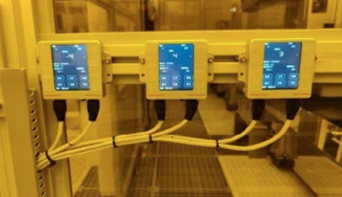
Electrostatic sensors are essential tools for monitoring and controlling static buildup in manufacturing and industrial environments. Static electricity can accumulate during various processes, such as material handling, packaging, and assembly. If left unmanaged, static charges can lead to product defects, equipment malfunctions, and even safety hazards. By detecting static charges in real-time, electrostatic sensors enable manufacturers to take proactive measures to mitigate these issues. For example, in the electronics industry, static charges can damage sensitive components, leading to defects and reduced product quality. Electrostatic sensors help maintain a static-free environment, ensuring high-quality products and minimizing the risk of defects. In addition, these sensors can also prevent electrostatic discharge (ESD) events, which can cause significant damage to equipment and result in costly downtime.
Electrostatic sensors play a crucial role in enhancing robotic handling and precision assembly by providing real-time feedback on static conditions. Robotic systems often handle sensitive components that can be easily damaged by static charges. By integrating electrostatic sensors into robotic systems, manufacturers can ensure precise handling and assembly of these components. These sensors provide continuous monitoring of static conditions, allowing robotic systems to adjust their operations in real-time to prevent static-related issues. For example, in the automotive industry, robotic arms used for painting and assembly require precise control to ensure high-quality finishes and accurate part placement. Electrostatic sensors help maintain optimal static conditions, reducing the risk of defects and improving overall product quality. This not only enhances the efficiency of the production process but also reduces waste and rework, leading to significant cost savings.
Electrostatic sensors are widely used in automated material handling systems to detect static charges. These systems often involve the movement of materials through conveyors, automated guided vehicles (AGVs), and other handling equipment. Static charges can accumulate on materials during transportation, leading to contamination and other issues. By detecting static charges, electrostatic sensors help prevent contamination and ensure smooth material flow. For example, in the pharmaceutical industry, maintaining a static-free environment is critical to prevent contamination of sensitive products. Electrostatic sensors integrated into material handling systems can detect and mitigate static charges, ensuring that materials remain uncontaminated throughout the production process. This not only improves production efficiency but also enhances product quality and compliance with regulatory standards.
Electrostatic sensors can be integrated into quality control systems to provide real-time monitoring and inspection. Traditional quality control methods often involve manual inspections and sampling, which can be time-consuming and prone to errors. By incorporating electrostatic sensors into quality control systems, manufacturers can achieve continuous and automated monitoring of static conditions. These sensors can detect static-related defects in real-time, allowing for immediate corrective actions. For example, in the electronics manufacturing industry, electrostatic sensors can be used to monitor the production line and detect any static charges that may cause defects in sensitive components. By providing real-time data, these sensors enable manufacturers to maintain consistent product quality and reduce the likelihood of defective products reaching the market. This not only enhances customer satisfaction but also reduces the costs associated with rework and recalls.
Proper placement of electrostatic sensors is crucial for optimal detection and control. Sensors should be placed in strategic locations where static charges are most likely to build up, such as near material handling equipment, assembly lines, and packaging stations.
Electrostatic sensors can be connected to Programmable Logic Controllers (PLCs), Supervisory Control and Data Acquisition (SCADA) systems, and Internet of Things (IoT) platforms. This integration allows for real-time monitoring and control of static conditions, enabling automated responses to detected changes.
Common communication protocols used for integrating electrostatic sensors include Modbus, Ethernet/IP, and other industrial communication standards. These protocols ensure seamless data transfer and integration with existing automation systems.
Integrating electrostatic sensors into automation systems can present challenges, such as compatibility issues and calibration requirements. Regular maintenance and calibration are essential for ensuring accurate readings and reliable performance. Troubleshooting common issues, such as sensor drift and environmental interference, can help maintain optimal sensor performance.
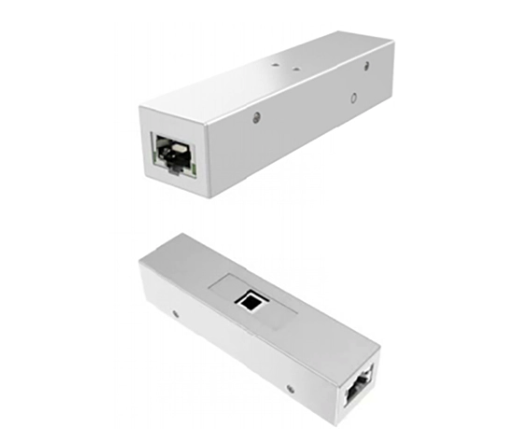
Regular calibration and maintenance are crucial for ensuring the accuracy and reliability of electrostatic sensors. Proper calibration ensures that sensors provide accurate readings, while regular maintenance helps prevent sensor drift and environmental interference.
Manufacturers should follow recommended maintenance schedules and procedures to ensure optimal sensor performance. This includes regular cleaning, calibration, and inspection of sensors to detect and address any issues promptly.
Common issues with electrostatic sensors include sensor drift, environmental interference, and calibration errors. Troubleshooting these issues involves checking sensor placement, ensuring proper calibration, and addressing any environmental factors that may affect sensor performance.
Electrostatic sensors are critical for industrial automation because they provide real-time monitoring and control of static electricity. This helps prevent product defects, equipment malfunctions, and safety hazards, ensuring optimal production conditions and high-quality products.
Electrostatic sensors improve automated process reliability by detecting and controlling static charges that can cause defects and failures. By maintaining optimal static conditions, these sensors ensure consistent product performance and reduce the likelihood of defects, leading to higher process reliability.
Yes, electrostatic sensors can be retrofitted into existing automation systems. Many manufacturers have successfully integrated these sensors into their existing systems, achieving significant improvements in productivity and quality. Proper planning and consultation with experts can ensure a seamless integration process.
Environmental factors such as temperature, humidity, and interference can affect the performance of electrostatic sensors. Proper shielding and calibration are essential to minimize these effects and ensure reliable readings.
Yes, electrostatic sensors can be integrated with wireless automation networks. Many modern sensors support wireless communication protocols, enabling seamless integration with IoT platforms and other wireless systems.
Electrostatic sensors offer a wide range of benefits for industrial automation, from improved product quality and reduced defects to increased equipment uptime and enhanced worker safety. By integrating electrostatic sensors into their automation systems, manufacturers can achieve significant improvements in their operations. As technology continues to advance, electrostatic sensors will play an increasingly important role in the future of industrial automation.
Manufacturers should consider incorporating electrostatic sensors into their automation workflows to stay competitive and meet customer demands. With the support of GD Decent Industry Co., Ltd., you can take advantage of our expertise and innovative solutions to transform your manufacturing processes and drive success in the evolving industrial landscape.
