
Views: 0 Author: Site Editor Publish Time: 2025-08-08 Origin: Site


Electrostatic sensors are essential tools in various industrial and manufacturing applications, providing precise detection and control of static electricity. Understanding the different types of electrostatic sensors and their unique characteristics is crucial for selecting the right sensor for specific needs. This guide explores the working principles, applications, and key criteria for comparing various types of electrostatic sensors. Whether you are looking to prevent electrostatic discharge (ESD) damage, enhance material handling efficiency, or improve overall production quality, this article will help you make an informed decision.
When comparing different types of electrostatic sensors, several key criteria should be considered:
Sensitivity refers to the sensor’s ability to detect small changes in electrostatic fields. Detection range indicates the distance over which the sensor can accurately measure static charges. Higher sensitivity and a broader detection range are generally desirable, especially in applications requiring precise control.
Response time is the speed at which a sensor can detect and report changes in electrostatic fields. Faster response times are crucial for real-time monitoring and control, particularly in dynamic environments where static charges can change rapidly.
Accuracy refers to how closely the sensor’s measurements match the true value of the electrostatic field. Resolution indicates the smallest change in the electrostatic field that the sensor can detect. High accuracy and resolution are essential for applications requiring precise control and quality assurance.
Environmental robustness includes the sensor’s ability to operate reliably in various conditions, such as temperature, humidity, and interference. Sensors used in harsh environments should be designed to withstand these conditions without compromising performance.
The size and form factor of the sensor can impact its suitability for specific applications. Compact sensors are often preferred for integration into tight spaces or portable devices, while larger sensors may be more suitable for industrial applications requiring greater detection range.
The ease of installation and integration with existing systems is an important consideration. Sensors with simple installation procedures and compatibility with standard communication protocols are generally preferred.
The initial purchase price and long-term operational costs should be evaluated. While some sensors may have a higher upfront cost, they may offer better performance and lower maintenance costs over time.
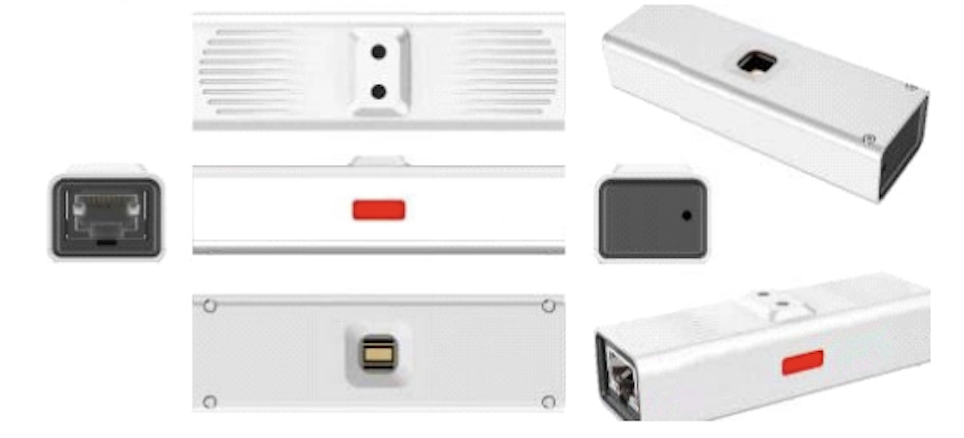
Capacitive electrostatic sensors measure changes in capacitance due to the presence of charged particles. These sensors typically consist of two conductive plates separated by an insulating material. When charged particles approach the sensor, they alter the electric field between the plates, causing a change in capacitance.
Electronics Manufacturing: Detecting and controlling static charges to prevent ESD damage.
Packaging Industry: Monitoring static charges to prevent contamination and improve packaging efficiency.
Pharmaceuticals: Ensuring static-free environments during sensitive processes.
Advantages: High sensitivity, non-contact measurement, suitable for detecting changes in dielectric materials.
Disadvantages: Limited to detecting changes in capacitance, may require calibration for accurate measurements.
Field mill electrostatic sensors measure the electric field by periodically interrupting the field with a rotating shutter. This interruption creates a voltage signal proportional to the electric field strength. The sensor then processes this signal to provide accurate measurements of the electrostatic field.
Automotive Industry: Monitoring static charges during painting and assembly processes.
Material Handling: Detecting static charges in conveyor systems to prevent contamination.
Cleanrooms: Ensuring static-free environments for sensitive manufacturing processes.
Pros: High accuracy, suitable for measuring electric fields in various environments, robust design.
Cons: More complex installation and calibration, higher cost compared to some other sensor types.
Inductive electrostatic sensors detect changes in the electric field through induced currents. When charged particles approach the sensor, they induce a current in the sensor’s conductive elements. This induced current is then measured and converted into a signal representing the electrostatic field strength.
Textiles: Controlling static to reduce fiber entanglement and improve fabric quality.
Printing Industry: Detecting static charges to prevent ink contamination and improve print quality.
Material Handling: Ensuring smooth material flow by detecting and mitigating static charges.
Benefits: Non-contact measurement, suitable for detecting changes in electric fields, robust design.
Limitations: May require more complex signal processing, limited to detecting changes in electric fields.
Electrostatic voltmeter sensors measure the voltage of charged surfaces directly. These sensors use a combination of electric field detection and voltage measurement to provide accurate readings of static charges.
Electronics Manufacturing: Ensuring static-free environments during sensitive component assembly.
Automotive Industry: Monitoring static charges during painting processes to prevent defects.
Pharmaceuticals: Detecting static charges to prevent contamination during packaging.
Strengths: High accuracy, direct voltage measurement, suitable for sensitive applications.
Weaknesses: May require more complex calibration, limited to measuring voltage rather than electric field.
Hybrid Sensors: Combining electrostatic sensing with other parameters (e.g., temperature, humidity) for more comprehensive monitoring.
Multi-Functional Sensors: Sensors that integrate multiple detection methods (e.g., capacitive, inductive) for enhanced performance.
Wireless Sensors: Offering greater flexibility and ease of installation, particularly in hard-to-reach areas.
| Sensor Type | Sensitivity Range | Detection Range |
|---|---|---|
| Capacitive | High | Medium |
| Field Mill | Very High | Long |
| Inductive | Medium | Medium |
| Voltmeter | High | Short |
Capacitive and field mill sensors generally offer higher accuracy and precision compared to inductive and voltmeter sensors. However, the choice of sensor should be based on the specific requirements of the application.
Clean Rooms: Field mill and capacitive sensors are preferred due to their high accuracy and reliability in controlled environments.
Outdoor: Inductive sensors may be more suitable due to their robust design and ability to withstand harsh conditions.
High Humidity: Capacitive sensors with proper sealing can perform well in high humidity environments.
Capacitive and field mill sensors typically require more frequent calibration and maintenance compared to inductive and voltmeter sensors. However, their longer lifespan and higher accuracy make them a worthwhile investment for critical applications.
Capacitive and field mill sensors often have more advanced communication protocols and are easier to integrate with industrial automation systems. Inductive and voltmeter sensors may require additional hardware or software for seamless integration.
Capacitive and field mill sensors are ideal for detecting and controlling static charges in electronics manufacturing. These sensors provide high sensitivity and accuracy, ensuring that sensitive components are protected from ESD damage.
Inductive sensors are well-suited for material handling and packaging applications. They offer robust performance and can detect static charges in real-time, ensuring smooth material flow and reducing contamination.
Field mill sensors are commonly used in the automotive industry for robotic assembly lines. Their high accuracy and long detection range make them ideal for monitoring static charges during painting and assembly processes.
Inductive sensors are preferred in the textile and printing industries due to their ability to detect and control static charges. These sensors help reduce fiber entanglement and improve print quality, leading to fewer defects and higher productivity.
Capacitive and field mill sensors are essential for cleanroom and pharmaceutical manufacturing. Their high accuracy and reliability ensure static-free environments, preventing contamination and maintaining product quality.

Capacitive and field mill sensors generally require more complex installation procedures compared to inductive and voltmeter sensors. Proper alignment and calibration are crucial for accurate measurements.
Regular calibration is essential for maintaining the accuracy of electrostatic sensors. Capacitive and field mill sensors typically require more frequent calibration compared to inductive and voltmeter sensors. Calibration frequency should be based on the specific application and environmental conditions.
Capacitive Sensors: May require recalibration if exposed to significant changes in environmental conditions. Troubleshooting involves checking sensor alignment and ensuring proper grounding.
Field Mill Sensors: Can be affected by interference from nearby equipment. Troubleshooting includes checking for electromagnetic interference and ensuring proper shielding.
Inductive Sensors: May require more complex signal processing. Troubleshooting involves verifying sensor placement and ensuring proper signal conditioning.
Voltmeter Sensors: May need recalibration if exposed to high humidity or temperature changes. Troubleshooting includes checking sensor calibration and ensuring proper environmental control.
Advancements in sensor technology are making electrostatic sensors smaller and more sensitive. Miniaturized sensors can be integrated into a wider range of applications, from wearable devices to large-scale industrial systems.
The integration of electrostatic sensors with AI and machine learning algorithms is a key trend in industrial automation. These advanced algorithms can analyze sensor data in real-time, providing actionable insights and enabling predictive maintenance.
Multi-functional sensors that combine electrostatic sensing with other parameters (e.g., temperature, humidity) are becoming increasingly popular. These sensors offer comprehensive monitoring capabilities, providing a more holistic view of industrial processes.
New materials and technologies are being developed to improve the durability and performance of electrostatic sensors. These advancements ensure that sensors can operate reliably in harsh environments, reducing maintenance costs and improving overall efficiency.
Capacitive and field mill sensors are generally preferred for high-precision applications due to their high accuracy and sensitivity.
Environmental conditions such as temperature, humidity, and interference can impact sensor performance. Capacitive sensors are suitable for controlled environments, while inductive sensors are more robust in harsh conditions.
Yes, different types of electrostatic sensors can be combined in one system to provide comprehensive monitoring and control. Multi-functional sensors are also available for integrated sensing capabilities.
Regular calibration and maintenance are essential for all electrostatic sensors. Capacitive and field mill sensors typically require more frequent calibration compared to inductive and voltmeter sensors.
Yes, wireless electrostatic sensors are available and offer greater flexibility and ease of installation. These sensors can be integrated into IoT platforms for real-time monitoring and control.
Understanding the different types of electrostatic sensors and their unique characteristics is crucial for selecting the right sensor for specific industrial applications. Capacitive and field mill sensors offer high accuracy and precision, making them ideal for sensitive applications. Inductive and voltmeter sensors provide robust performance and are suitable for harsh environments. By considering key criteria such as sensitivity, accuracy, environmental robustness, and cost, manufacturers can make informed decisions to optimize their production processes and improve overall efficiency. As technology continues to advance, electrostatic sensors will play an increasingly important role in the future of industrial automation.
