
Views: 0 Author: Site Editor Publish Time: 2025-10-17 Origin: Site


Did you know that even a small static charge can bring down a semiconductor factory's entire production line? Static electricity, often invisible, can be a major threat to semiconductor manufacturing yields.
In this article, we'll dive into how static electricity affects the production process, its hidden costs, and how manufacturers can protect sensitive components. By the end, you'll understand why ESD control is crucial for maintaining high-quality output.
Static electricity is the result of an imbalance between positive and negative charges in materials. When two materials come into contact or rub against each other, one material will either gain or lose electrons, creating a charge. The static electricity generated can range from a minor static shock to the breakdown of critical electronic components. The key types of static electricity generation in semiconductor manufacturing are:
Friction Charging: This occurs when two different materials rub against each other, transferring electrons and generating a static charge.
Inductive Charging: When a charged object is near a neutral object, the neutral object’s charges rearrange themselves due to the electric field, inducing a charge on the neutral object.
Capacitive Charging: This type of static electricity results when a charged object approaches or separates from another object, causing a change in the capacitance and the electrostatic potential.
In semiconductor manufacturing, even a slight charge can cause devastating consequences, which is why controlling static electricity is a critical aspect of the production process.
Electrostatic Discharge (ESD) is the sudden flow of electricity between two objects with differing electric potentials. This discharge can be caused by contact or proximity between these objects. In semiconductor manufacturing, the vulnerability of components like microchips makes them highly sensitive to even minor discharges.
Example: A single ESD event of as low as 100 volts can permanently damage a semiconductor component, which would normally operate at much lower voltages.
ESD can cause immediate failures or create latent defects in semiconductors, which will later result in product failure. The impact of ESD is magnified in modern semiconductor devices, which have a much smaller scale and delicate circuitry.
Static electricity can cause several forms of damage to semiconductor components, ranging from temporary issues to complete failure:
Complete Loss of Function: The electrical parameters of a device are severely altered, rendering it non-functional. This often occurs in the form of a catastrophic failure, where the component no longer works after an ESD event.
Intermittent Loss of Function: The component may still appear to function normally but will lose reliability over time, leading to failure during later use. Such failures are often the result of latent damage that doesn't immediately manifest.
Even small amounts of static electricity can lead to failures, and this makes managing ESD in the production environment crucial to maintaining product reliability and minimizing waste.
The most direct and significant consequence of static electricity in semiconductor manufacturing is the impact on yield. Yield loss occurs when damaged components or products must be discarded or reworked due to electrostatic damage.
Real-World Example: A study from a semiconductor manufacturer revealed that static-related failures resulted in a 10-15% loss in yield, affecting their bottom line by millions of dollars annually. This highlights the hidden costs that are often not immediately visible but accumulate over time.
Yield loss from static electricity can be particularly costly when it affects high-value components or large production runs. The need to discard entire batches due to undetected ESD damage can create significant production delays and lost revenue.
While the direct yield loss is often the most noticeable, static electricity brings with it several indirect costs that can severely impact the semiconductor manufacturing process:
Repair and Rework: Components that are damaged by static electricity often require repair or replacement. In the case of semiconductor chips, the rework required can be complex and expensive, involving reprocessing or redesigning circuit layouts to account for the damage.
Increased Quality Control: Higher levels of ESD-related damage require more rigorous testing and inspection protocols, increasing the costs of quality assurance. The need for frequent re-testing of components further adds to the operational expenses.
Loss of Customer Confidence: When static-related issues become widespread, it can result in a loss of customer confidence, which in turn affects long-term sales and business reputation. Customers who experience issues due to defective semiconductor parts may switch to competitors, exacerbating financial losses.
One notable case occurred at a leading semiconductor plant that reported a significant increase in failed units due to static discharge. Their failure rate spiked when they didn’t properly maintain their anti-static procedures, leading to product recalls and costly repairs. This incident highlighted the need for effective ESD management, as even a small static discharge can lead to large-scale losses in both product and revenue.
In another case, a manufacturer was able to dramatically reduce yield loss by introducing strict electrostatic control measures, such as grounding systems, regular testing of workstations, and the adoption of ionization systems. As a result, their yield improved by 20% within a quarter.
Implementing effective electrostatic protection strategies is crucial for preventing damage in semiconductor manufacturing. Here are several key measures that should be adopted across production environments:
| ESD Protection Measure | Purpose |
|---|---|
| Grounding | Prevents static charge accumulation by providing a safe path for static discharge. |
| Anti-static Mats | Provides a conductive surface to safely dissipate static electricity from sensitive components. |
| Shielding Containers | Protects components during storage and transport by preventing static build-up and ESD exposure. |
| Ionization Systems | Neutralizes airborne static charges in the production environment. |
The advancement of technology has provided manufacturers with tools to combat static electricity:
Ionization Systems: These systems generate positive and negative ions to neutralize static charges in the air, reducing the likelihood of ESD damage. They are particularly effective in environments where traditional grounding methods may be insufficient.
ESD-Safe Equipment: Specially designed tools, such as tweezers, gloves, and work surfaces, can help prevent static electricity from building up during handling and assembly of semiconductor components.
Automated Detection Systems: Modern automated systems can be used to continuously monitor electrostatic conditions in the production environment, providing real-time data on static buildup and ESD risks.
Proper training for employees is crucial to mitigate the risks of static electricity. Workers should be educated on the following:
Proper Handling Techniques: Handling sensitive components carefully and using the correct tools and protective gear is crucial to avoid static discharge.
ESD Awareness: Implementing regular training on how static electricity impacts semiconductor manufacturing and how to prevent its accumulation can reduce the risk of damage. Workers should also be made aware of the signs of electrostatic discharge to detect and correct any issues promptly.
Personal Protective Equipment (PPE): Employees should be equipped with anti-static wristbands, gloves, and shoes to reduce the chances of static buildup.
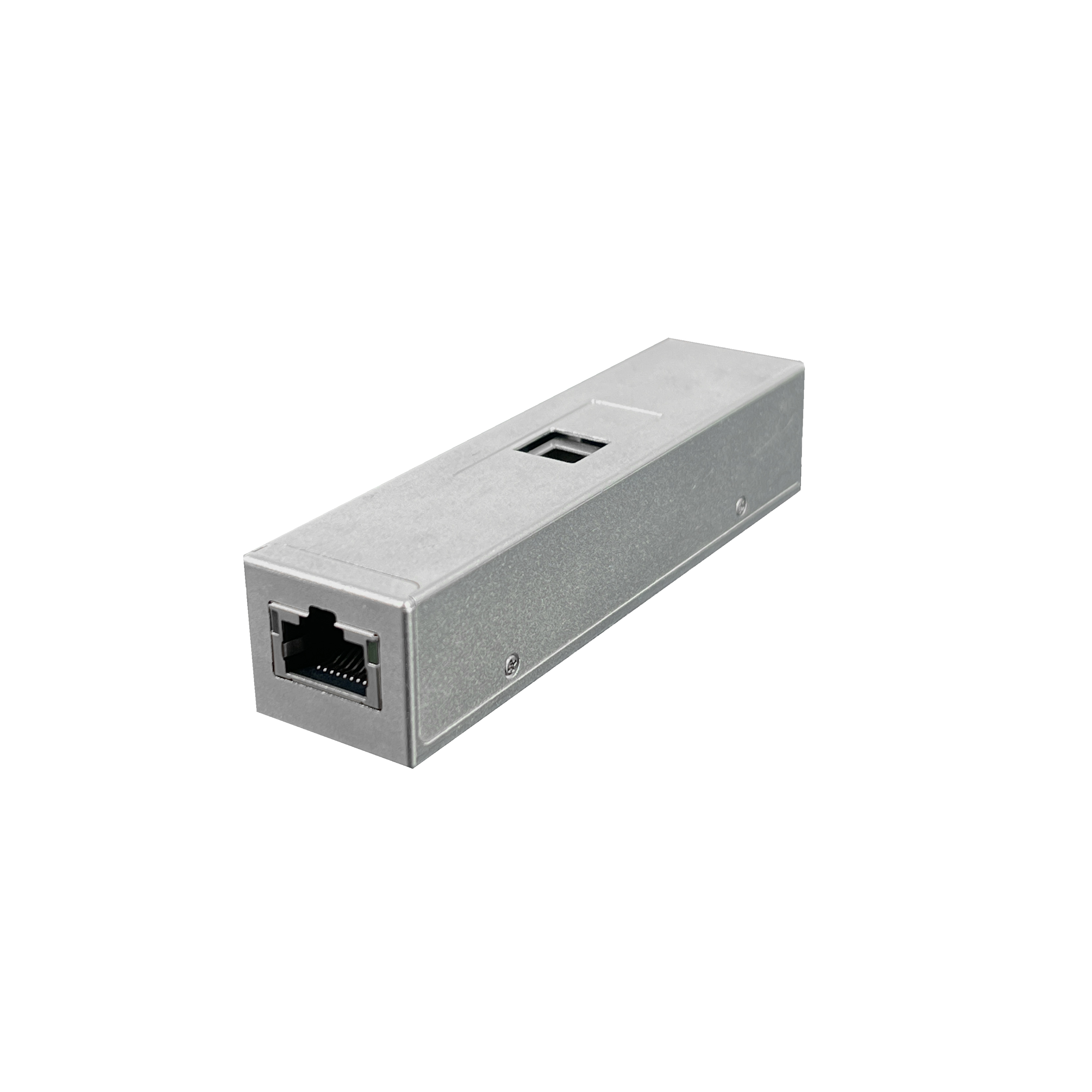
One of the most effective ways to reduce static electricity impact is by incorporating anti-static features during the design phase of semiconductor components. Design engineers can:
Use Protected Packaging: Ensure that semiconductor components are stored and transported in ESD-safe packaging materials, such as conductive bags or boxes, to minimize exposure to static during logistics.
Integrated Protection Components: By adding protection resistors and embedded diodes into circuit designs, engineers can create additional layers of defense against electrostatic discharge.
Redundant ESD Paths: Semiconductor designs can include multiple paths for the dissipation of static charges, ensuring that in the event of an ESD, the damage is minimized.
Design-for-manufacturability (DFM) software has become an essential tool in identifying potential electrostatic risks early in the production process. By analyzing circuit designs, component placements, and materials, DFM software can help engineers pinpoint areas where static electricity buildup might occur. This allows for timely adjustments to avoid potential ESD issues before production begins.
As semiconductor manufacturing continues to evolve, several new technologies and trends are emerging to enhance static electricity control:
Nanomaterials: Innovations in nanotechnology are helping to develop more efficient anti-static coatings and materials, making semiconductor components even less susceptible to ESD damage.
Automation and AI: AI and machine learning are playing an increasing role in monitoring ESD risks in real time, with automated systems capable of adjusting environmental factors like humidity and temperature to prevent static buildup.
The semiconductor industry is governed by several global standards that ensure proper ESD control is in place. These include:
ANSI/ESD S20.20: A standard that provides guidelines for creating and maintaining ESD-safe environments in the manufacturing process.
IEC 61340: An international standard for electrostatic protection in electronics production.
Manufacturers must stay compliant with these regulations to ensure product quality, minimize the risk of static-related damage, and maintain industry certifications.
Static electricity poses a hidden, yet serious, risk to semiconductor manufacturing yields. Even minor electrostatic discharges can cause major failures, leading to costly losses in productivity and quality. Manufacturers can mitigate these risks by investing in ESD control measures, adopting new technologies, and ensuring proper training. GD Decent Industrial offers advanced ESD protection solutions that help manufacturers maintain high yield rates and protect sensitive components.
A: Static electricity is an imbalance of electric charges that can cause damage to sensitive semiconductor components. Even small discharges can lead to product failure, decreased yield, and increased costs in semiconductor manufacturing.
A: Static electricity often goes unnoticed but can cause significant, latent damage to components. It can reduce product quality, increase defect rates, and result in costly repairs, making it a hidden threat in manufacturing.
A: Static electricity can cause immediate failure or intermittent malfunction of semiconductor components. This leads to reduced reliability, shorter lifespan, and costly yield losses in semiconductor manufacturing.
A: Key measures include using grounded workstations, anti-static mats, ionization systems, and ESD-safe equipment. Employee training on proper handling and electrostatic control is also crucial for preventing static-related damage.
A: Ionization systems neutralize static charges in the air, reducing the risk of electrostatic discharge. These systems are essential for environments where traditional grounding methods are insufficient, especially in high-precision semiconductor manufacturing.
A: Failing to manage static electricity can lead to significant yield loss, product defects, and expensive repairs. It can also damage customer confidence and increase operational costs, ultimately affecting profitability.
A: Yes, by integrating anti-static features such as protective packaging and embedded diodes, semiconductor designs can reduce vulnerability to electrostatic discharge, preventing damage and improving overall product reliability.
