
Views: 0 Author: Site Editor Publish Time: 2026-02-10 Origin: Site


Is a lower-priced antistatic bag really saving money, or just shifting risk later? Many buyers struggle to compare anti static bags with alternatives when costs look similar but protection differs. In this article, you will learn how antistatic bag choices impact pricing, risk, and total packaging value.
An antistatic bag is primarily designed to control surface static rather than block external electrostatic discharge. From a cost comparison standpoint, this definition is important because it explains why antistatic bags sit at the lower end of the pricing spectrum.
They dissipate static charges gradually, which is often sufficient for controlled environments and routine handling. We usually see an antistatic bag as the baseline option—the point of reference against which all higher-cost alternatives are measured.
An antistatic bag is typically selected when:
● The product has moderate ESD sensitivity, not extreme vulnerability
● Handling occurs in static-controlled workshops or warehouses
● Packaging decisions must prioritize cost stability and volume efficiency
Because the function is focused and predictable, the cost-performance ratio remains easy to manage across large orders.

The material structure of an antistatic bag directly explains its pricing behavior. Most antistatic bags rely on polyethylene film combined with antistatic additives or coatings. This approach keeps material sourcing simple and production highly repeatable. Fewer layers mean fewer processing steps, which reduces both defect rates and labor cost during manufacturing.
Key material-related cost factors include:
● Base film that is widely available and easy to process
● Antistatic additives that add function without major price increase
● Single-layer structure that avoids complex lamination
Material Factor | Effect on Cost |
Polyethylene film | Keeps raw material cost predictable |
Antistatic additives | Small increase, stable pricing |
Layer count | Fewer layers reduce processing cost |
Production yield | High yield lowers average unit price |
This structure explains why antistatic bags scale well when order quantities increase.
In high-volume applications, antistatic bags deliver savings beyond their unit price. Their lightweight structure lowers shipping weight, while compact stacking reduces warehouse space usage. These indirect savings become significant over time. Many customers working with GD Decent choose antistatic bags for daily production flows because they integrate easily into existing static-control systems without increasing packaging complexity.
Common large-volume advantages include:
● Lower logistics and freight costs due to light weight
● Faster packing and handling efficiency
● Reduced inventory pressure compared with thicker alternatives
In these scenarios, the antistatic bag becomes a cost-control tool, not just a protective material.
Static shielding bags are often compared directly with antistatic bags because they serve a similar purpose but at a higher protection level. Their multilayer construction, often including a metalized layer, increases both material and manufacturing costs.
This added expense makes sense when products face uncontrolled environments or long transport routes.
Typical reasons people move to shielding bags include:
● High-value components with very low ESD tolerance
● International shipping or complex logistics chains
● Exposure to unknown handling conditions
Conductive bags represent another alternative, focusing on rapid charge dissipation rather than slow neutralization. They usually cost more than standard antistatic bags because conductive materials are more specialized. In many everyday applications, the cost difference outweighs the functional benefit.
Key comparison points:
● Speed of charge dissipation
● Environmental control level
● Budget sensitivity versus risk tolerance
Anti static cushioning materials, such as EPE or bubble-based packaging, act as substitutes when mechanical protection becomes equally important.
These options combine static control with shock absorption, but they also increase material volume and storage cost.
They are often chosen when:
● Products are fragile or irregularly shaped
● Transport involves frequent movement or vibration
● Packaging must combine physical and static protection
Alternatives replace an antistatic bag when the risk profile changes. As exposure increases, we naturally accept higher packaging costs to reduce failure probability. When risk remains controlled, the antistatic bag stays the preferred choice due to its cost efficiency. This boundary defines how we move between antistatic bags and their alternatives without overspending on protection.
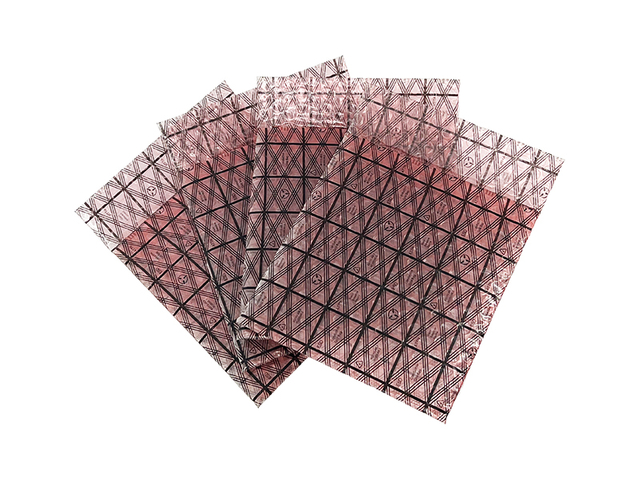
An antistatic bag usually relies on a single polyethylene film combined with antistatic additives. It uses fewer raw materials and avoids metalized or conductive layers, which keeps material input predictable. Alternatives change the equation by adding layers or specialized materials, and each added layer increases cost pressure.
We often notice these material-driven cost gaps:
● Antistatic bags use one functional layer, so material waste stays low
● Shielding or conductive options introduce metalized or carbon layers
● Cushioning alternatives add bulk material, increasing storage and freight cost
Because material cost is the foundation of pricing, simpler structures almost always win on unit price.
Manufacturing steps play a major role in price differences. An antistatic bag passes through fewer processing stages, which reduces labor time and lowers defect risk. Alternatives often require lamination, coating, or multi-step bonding. Each extra step adds inspection time and increases the chance of inconsistency.
This matters because:
● Fewer steps mean stable pricing across large orders
● Complex structures increase quality control and scrap costs
● Pricing becomes more sensitive to order size and customization
Suppliers such as GD Decent often position antistatic bags as the most scalable option when cost predictability matters.
This is where antistatic bags and alternatives separate most clearly. An antistatic bag focuses on surface static control, while alternatives add shielding or rapid discharge. The key is understanding whether that extra protection justifies the cost.
Packaging Option | Relative Cost Level | Protection Focus |
Antistatic bag | Low | Surface static dissipation |
Static shielding bag | Medium–High | External ESD shielding |
Conductive bag | Medium | Rapid charge discharge |
Anti static cushioning | Medium | Static control + impact protection |
Alternatives affect more than unit price. They change the entire packaging system cost. Thicker materials increase shipping weight. Rigid structures reduce packing density. Extra protection may also require sealing or handling adjustments. We often discover that alternatives raise costs in places they did not initially expect.
Common cost shifts:
● Higher freight and storage expenses due to bulk
● Slower packing speed from more complex handling
● Reduced flexibility when packaging different product sizes
Because of these effects, we treat the antistatic bag as a cost anchor and only move to alternatives when risk clearly demands it.
When we focus only on unit price, the antistatic bag can look interchangeable across suppliers. In reality, lower-cost options often carry higher ESD exposure risk, especially when material consistency or additive quality varies. Static damage rarely shows up immediately. It accumulates silently during handling, stacking, or transport, then appears later as performance failure. This delay makes ESD damage one of the hardest costs to trace back to packaging decisions.
In day-to-day operations, ESD risk increases when:
● Bags are used outside static-controlled environments
● Handling involves frequent human contact or friction
● Packaging moves across multiple logistics points
Manufacturers such as GD Decent often emphasize stable antistatic performance because inconsistent dissipation behavior can turn a low-cost bag into a high-risk choice over time.
Cost Factor | Lower-Cost Antistatic Bag Impact |
Static dissipation stability | May vary between batches |
ESD exposure | Higher in uncontrolled environments |
Damage visibility | Often delayed and hard to trace |
Real cost outcome | Savings lost through failures |
Once ESD damage occurs, cost escalation is fast. A failed component does not just mean a single loss. It triggers inspection, rework, testing, and sometimes full replacement. These costs often exceed the original price difference between an antistatic bag and a higher-grade alternative. From a customer’s perspective, the frustration comes from paying twice—first for cheaper packaging, then for recovery.
Common downstream costs include:
● Manual inspection time added to production flow
● Rework labor and testing resources
● Replacement materials and delayed shipments
● Customer complaints or returns affecting reputation
We usually start by mapping product sensitivity against real ESD exposure. An antistatic bag works well when components tolerate minor static events and move inside controlled environments. As sensitivity rises, we reassess risk points across handling, storage, and transport. They look at who touches the product, how often it moves, and whether environments stay controlled end to end. If exposure increases, alternatives become part of the discussion—not by default, but by necessity.
Typical decision cues include:
● Component type and ESD tolerance level
● Handling frequency and human contact
● Transfer distance and logistics complexity
Teams using solutions from GD Decent often align bag choice with their broader static-control practices, keeping protection proportional to risk.

Budget rarely disappears from the decision. we aim to spend where it matters and avoid paying for unused protection. An antistatic bag sets a predictable cost baseline, which helps finance teams plan at scale. Alternatives raise unit price, so whether the added protection actually reduces loss. If failure probability stays low, higher spend feels unjustified. If risk climbs, spending more becomes easier to defend.
Decision Factor | Antistatic Bag | Alternative Options |
Unit price | Lower, predictable | Higher, variable |
Protection level | Surface static control | Shielding or rapid discharge |
Budget impact | Easy to scale | Requires justification |
Risk coverage | Moderate | High |
This balance keeps spending aligned with real exposure rather than assumptions.
We avoid an all-or-nothing choice. They combine antistatic bags and alternatives across different stages of the same workflow. Internal transfers may use antistatic bags to control cost, while outbound shipments switch to higher protection only when exposure increases. This layered approach controls total packaging spend without raising failure rates.
Common hybrid strategies include:
● Antistatic bags for internal movement and short storage
● Higher-protection alternatives for external shipping
● Selective upgrades for high-value or sensitive SKUs
By mixing options, we protect what matters most while keeping overall packaging costs under control.
This article compares antistatic bag costs with alternative packaging options from a customer view. It explains how material choice, protection level, and ESD risk shape total cost. Antistatic bag solutions control budget in stable environments, while alternatives raise protection when exposure increases. GD Decent helps customers choose the right balance, delivering practical ESD protection and long-term value.
A: An antistatic bag reduces surface static during storage and handling of electronics.
A: Alternatives use extra layers or shielding, which increases material and processing cost.
A: Compare ESD risk, product sensitivity, and budget before selecting an antistatic bag.
A: Yes, poor antistatic bag performance may lead to ESD damage and rework.
A: Yes, many teams use antistatic bag options internally and upgrades for shipping.
