
Views: 0 Author: Site Editor Publish Time: 2026-02-10 Origin: Site


Static damage often happens before anyone notices it, yet many people use an antistatic bag without fully understanding how it works. This article explains how an antistatic bag controls static electricity, why it matters during handling and transport, and how it protects sensitive products from hidden ESD risks.
An antistatic bag is a specialized form of packaging designed to reduce, control, or prevent the buildup of static electricity on its surface and around the product inside. Unlike ordinary plastic bags, which easily generate static through friction and movement, an antistatic bag uses carefully engineered materials to manage electrical charges in a safer and more predictable way.
A standard plastic bag can trap static and release it suddenly, often without warning. An antistatic bag lowers that risk by maintaining surface charges at controlled levels, helping protect components throughout handling, storage, and transport. Companies like GD Decent treat antistatic bags as part of a broader static control system rather than basic packaging.
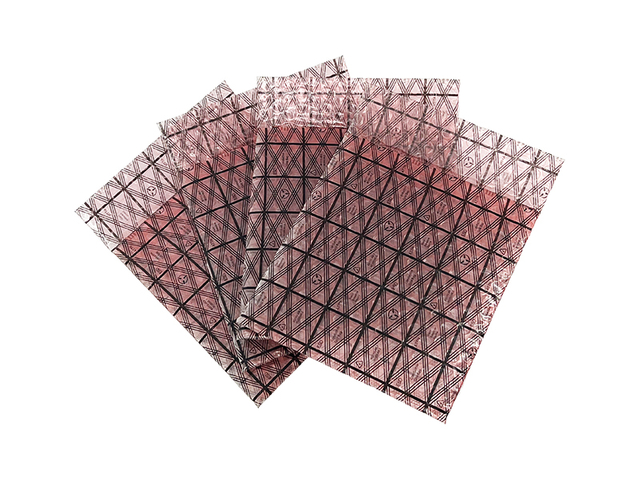
Key characteristics customers usually expect include:
● Reduced static generation during normal handling and repeated movement
● Stable surface resistance that prevents sudden electrostatic discharge
● Compatibility with ESD-controlled workstations and production lines
● Consistent performance across different temperatures and humidity levels
Additional practical benefits often include:
● Cleaner handling with less dust attraction
● Safer packing for automated and manual processes
● Improved confidence during long-distance shipping
Static electricity forms quietly and often goes unnoticed. It typically builds up when materials rub against each other during packing, movement, or storage. Workers may not see sparks or feel shocks, yet damaging charges can still transfer to sensitive products. This invisible behavior is why static electricity is considered a hidden risk in many industries.
Electronics and precision components are especially vulnerable. Even a small discharge can weaken internal circuits without causing immediate failure. Over time, these hidden defects may lead to unstable performance, higher return rates, or shortened product life.
Common situations where hidden static risks appear include:
● Repeated opening and closing of packaging
● Sliding components during internal transport
● Storage in low-humidity environments
An antistatic bag helps reduce this risk by limiting charge buildup before it reaches a harmful level, even when no obvious warning signs appear.
Static electricity often originates from everyday actions that seem harmless. Manual handling, sliding products into bags, stacking trays, or separating packaging materials can all create friction-based charging. Automated conveyor systems add another layer of risk, as constant motion increases contact between surfaces.
In these situations, packaging becomes either part of the problem or part of the solution. Ordinary plastic packaging tends to amplify static buildup. An antistatic bag, by contrast, is designed to work against charge accumulation during these common processes.Typical static sources include:
● Hand-to-material contact during packing
● Material-to-material friction on conveyor belts
● Repeated movement inside packaging during transport
Electrostatic discharge does not always cause immediate failure. Sometimes it destroys a component instantly. In other cases, it creates latent damage that only appears later during use. This delayed effect makes ESD especially costly and difficult to trace back to its source.
Customers often underestimate this risk until reliability issues appear in the field. An antistatic bag reduces the chance of sudden discharge and helps protect long-term product performance, not just short-term handling safety.Potential consequences of ESD include:
● Immediate device malfunction
● Gradual performance degradation
● Reduced lifespan of electronic components
Packaging materials determine how static behaves at the surface. Materials with poor electrical properties allow charges to accumulate and remain trapped. Antistatic materials are engineered differently. They limit charge generation and allow controlled release instead of sudden discharge, reducing stress on sensitive components.
Material choice becomes especially important during transport and storage, where products face constant movement and environmental changes.
Packaging Type | Static Behavior | Risk Level |
Ordinary plastic bag | High charge buildup | High |
Antistatic bag | Controlled charge decay | Lower |
Shielding antistatic bag | Charge control + external shielding | Lowest |
By choosing the right antistatic bag, customers reduce ESD risk at one of the most critical stages: packaging and transport, where products are most exposed to friction and movement.
An antistatic bag works best when static never builds up in the first place. During normal handling, friction comes from sliding products, opening packaging, or stacking items together. Ordinary plastic reacts strongly to this friction and generates static quickly. An antistatic bag uses engineered materials to weaken that reaction, so charge generation stays low from the beginning.
In real production and packing environments, this early control is essential. Even small movements can create charge. Antistatic materials help keep it from growing into a serious problem.Common material features used to reduce static generation include:
● Polymer blends designed to resist triboelectric charging
● Additives that stabilize surface electrical behavior
● Smooth contact surfaces that reduce friction during movement
● Consistent material structure that avoids charge hot spots
These design choices make an antistatic bag calmer during handling. It does not trap electricity. It limits how much can form.
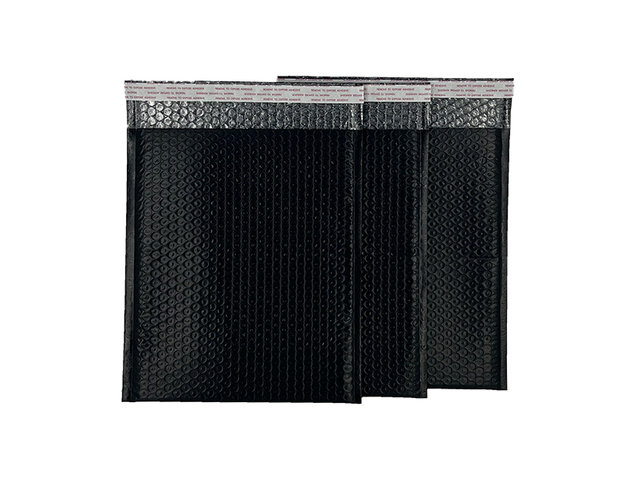
Some static will always appear. An antistatic bag manages it by letting charge escape slowly and safely. Its surface resistance stays within a controlled range, allowing charges to move across the surface and fade away instead of discharging all at once.
This slow decay protects sensitive electronics. Sudden discharge damages circuits. Gradual release keeps energy below harmful levels, even when users never see sparks or feel shocks.
Static Behavior | Ordinary Plastic Bag | Antistatic Bag |
Charge buildup speed | Fast | Limited |
Discharge behavior | Sudden | Controlled |
Risk to electronics | High | Reduced |
This controlled dissipation is one of the main reasons an antistatic bag is trusted in electronics handling and transport.
Some antistatic bags add shielding for extra protection. These bags block or redirect external static fields before they reach the product inside. Multi-layer structures reflect and absorb electrostatic energy, creating a protective barrier around sensitive components.
Shielding becomes important when products face outside exposure. Handling by operators, nearby equipment, or other packaging can introduce external charge. A shielding antistatic bag helps keep those threats away.Key benefits of shielding designs include:
● Protection from external electrostatic discharge
● Stable environment around high-value components
● Added safety during long-distance transport and storage
GD Decent designs antistatic bags as part of a complete static control approach. Material selection focuses on real factory conditions rather than lab-only performance. Films, coatings, and conductive layers are chosen based on how static behaves during packing, handling, and storage.
Their antistatic bags also work smoothly alongside ion fans and ionizing bars. Static remains controlled across multiple stages, not just inside the bag. This system-level thinking helps customers maintain stable ESD protection instead of relying on packaging alone.
Aluminum-coated antistatic bags use a layered structure to combine dissipation and shielding. The inner layer controls charge from the product. The aluminum layer reflects external static. The outer layer protects the structure and limits surface charging.
This design creates a Faraday cage effect. External static stays outside, while internal charges release safely.Typical applications include:
● Integrated circuits and chips
● PCBs and electronic modules
● Precision components requiring high ESD protection
Anti-static EPE pearl cotton bags focus on both protection and comfort. The foam structure absorbs impact, while the antistatic treatment limits charge buildup during movement.
They work well during internal transport and short-term storage, especially in busy production areas where parts move frequently.Advantages customers value include:
● Cushioning against vibration and shock
● Reduced static during repeated handling
● Lightweight design that supports reuse
Carbon-loaded conductive antistatic bags allow static to move quickly across the surface. When grounded properly, charge dissipates fast and predictably. This design suits controlled ESD environments where grounding rules are followed carefully.
They are often chosen when rapid discharge matters more than shielding.
Bag Type | Core Working Principle | Best Use Scenario |
Aluminum-coated bag | Shielding + dissipation | High-value electronics |
Anti-static EPE bag | Dissipation + cushioning | Internal transport |
Conductive bag | Rapid discharge | Grounded ESD areas |
Temperature plays a quiet but important role in how an antistatic bag performs over time. When heat rises, polymer chains inside the bag material move more freely. It may soften slightly, lose stiffness, or seal less tightly during handling. At the same time, some antistatic coatings become less stable, which weakens how evenly static dissipates across the surface.
Cold conditions bring a different challenge. Materials can stiffen or become brittle. Small cracks may form during bending or stacking, which reduces both mechanical protection and static control. We often see these issues during winter transport or cold storage.Typical temperature-related effects include:
● Softening and deformation at higher temperatures
● Reduced consistency in static dissipation under heat
● Brittleness and cracking in low-temperature environments
Manufacturers such as GD Decent design antistatic bags using materials tested across realistic temperature ranges, helping performance stay predictable during storage and transport.
Humidity directly affects how static electricity behaves. In dry air, static builds faster and lasts longer. Surface resistance increases, so charges move slowly and accumulate more easily. This makes dry environments one of the highest-risk conditions for static-related damage.
High humidity reduces static buildup, but it introduces other concerns. Moisture can affect antistatic coatings or metallized layers over time. It may also shorten the service life of shielding structures if not managed properly.Common humidity-related challenges include:
● Faster static accumulation in low-humidity areas
● Dust attraction caused by static in dry conditions
● Coating or shielding degradation in overly humid storage
Balanced humidity helps an antistatic bag work as intended. It keeps static manageable without stressing the material structure.
Stable environmental conditions help an antistatic bag deliver consistent protection. Storage areas should avoid extreme heat, cold, or moisture swings. Simple environmental control often makes a noticeable difference in long-term performance and reliability.
Daily handling habits matter too. Bags stored away from heat sources and direct sunlight tend to maintain their antistatic properties longer.
Factor | Recommended Range | Practical Benefit |
Temperature | Moderate indoor range | Prevents softening or cracking |
Humidity | Balanced, not too dry or wet | Supports steady static dissipation |
Storage method | Clean, sealed containers | Reduces dust and moisture exposure |
Practical habits customers often follow include:
● Keeping antistatic bags in climate-controlled storage
● Avoiding long exposure to direct sunlight or heaters
● Monitoring warehouse humidity during seasonal changes
This article explains how an antistatic bag controls static from the source and releases it safely.GD Decent provides antistatic bag solutions designed for stable performance and real production needs.
A: An antistatic bag reduces static buildup and protects sensitive electronics during storage and transport.
A: An antistatic bag limits friction charging and allows static to dissipate slowly and safely.
A: An antistatic bag prevents electrostatic discharge that can damage circuits and reduce reliability.
A: No, each antistatic bag type works differently, using dissipation, shielding, or conductivity.
A: Choose an antistatic bag based on product sensitivity, handling method, and ESD risk level.
