
Views: 0 Author: Site Editor Publish Time: 2026-02-10 Origin: Site


Can a motherboard be shipped safely without an antistatic bag, or is damage unavoidable? Many people face this problem during resale or urgent shipping. In this article, you will learn the risks, practical methods, and safer alternatives when an antistatic bag is missing.
Static electricity is one of the most overlooked threats when shipping a motherboard. It does not need visible impact or rough handling to cause harm. Small movements, light contact, or sliding across a surface can release electrostatic discharge that affects delicate circuits. During shipping, these risks increase because the motherboard is handled multiple times and exposed to changing environments.
● Several common situations allow static to build up without anyone noticing:Repeated friction between the board and inner packaging materials
● Dry air conditions inside warehouses or delivery vehicles
● Direct contact with hands, clothing, or work surfaces
Once static reaches sensitive chips or solder points, the damage cannot be repaired. The motherboard may still look intact, but failures often appear later, creating confusion and returns for customers.
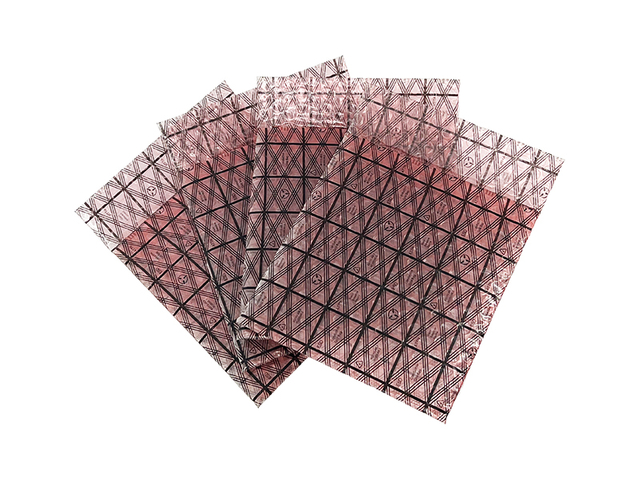
An antistatic bag controls static electricity before it reaches the motherboard. Instead of trapping charge, the material allows static to move safely along its surface or dissipate gradually. This happens without extra grounding steps, making the antistatic bag practical for routine shipping and storage.
Inside the bag, the motherboard stays in a low-charging environment. Outside the bag, static energy is redirected away from sensitive components. This simple structure offers consistent protection even when handling conditions are less than ideal.
● From a customer’s point of view, an antistatic bag reduces uncertainty. It protects the motherboard during:Manual handling and repacking
● Stacking with other parcels
● Long-distance transport where humidity changes frequently
Ordinary packaging materials often behave in ways that increase static risk. Plastic, foam, and fabric generate static through friction, while paper-based materials only reduce it slightly and inconsistently. An antistatic bag is designed specifically to manage static, which creates a clear performance gap.
The table below compares common packaging choices from a static-control perspective:
Packaging Material | Static Behavior | Practical Impact on Shipping |
Antistatic bag | Dissipates or shields static | Stable and reliable ESD protection |
Plastic bag | Builds and holds static | High risk of invisible damage |
Fabric or towels | Generates static easily | Unsafe for electronics |
Brown paper or cardboard | Low static generation | Temporary, limited protection |
In real shipping scenarios, people often face moments where an antistatic bag simply is not available. This does not always happen due to poor planning. Personal resale is one of the most common cases, especially when the original antistatic bag was discarded after installation. Second-hand sellers usually focus on outer boxes and forget that the antistatic bag was doing the real protection work.
Lost or damaged packaging is another frequent issue. During storage or relocation, the motherboard box may survive while the inner antistatic bag goes missing. In urgent or short-notice shipments, speed becomes the priority, and people use whatever materials are nearby.
● Individual sellers shipping one-off motherboards
● Warehouses repacking returns or open-box products
● Emergency shipments where replacement bags are unavailable
Before shipping a motherboard without an antistatic bag, a basic risk check helps reduce potential damage. The first factor most people consider is the value of the motherboard. High-end or server-grade boards contain denser circuitry and react more sensitively to static discharge. Lower-value boards still face risk, but replacement cost changes decision-making.
Shipping distance and environment also matter more than many expect. Long-distance transport exposes the package to repeated handling, dry air, and temperature changes. Short local deliveries reduce exposure time, but they do not remove static risk entirely.
Handling frequency during transit is the final piece. Every handoff increases the chance of friction, contact, or surface interaction. Without an antistatic bag, the motherboard depends entirely on surrounding materials behaving safely.
The table below shows how risk levels change based on common shipping conditions:
Risk Factor | Lower Risk Scenario | Higher Risk Scenario |
Motherboard value | Basic consumer board | High-end or workstation board |
Shipping distance | Local or same-city | Cross-country or international |
Handling frequency | Direct courier delivery | Multiple warehouse transfers |
Before any wrapping begins, preparation reduces most avoidable risks. Start by checking exposed areas. CPU sockets and pins bend easily, and even light pressure can cause permanent damage during transport. If a socket cover is available, use it. When no cover exists, leaving the CPU installed often protects the pins better than leaving them exposed.
Direct hand contact also matters more than many expect. Static often transfers from skin without a visible spark. Touch a grounded surface first, then handle the board by its edges. Keep fingers away from chips and solder points. These small habits lower risk when an antistatic bag is missing and help maintain basic ESD control during packing.
Key preparation habits include:
● Securing or shielding all exposed sockets and pins
● Holding the motherboard only by edges or mounting points
● Keeping it away from metal surfaces during setup
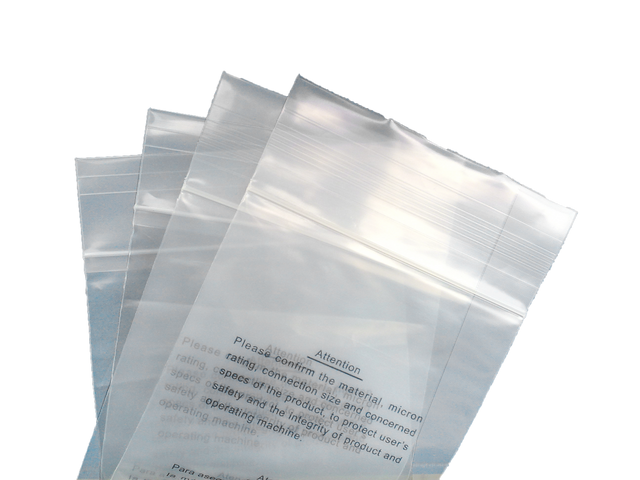
When an antistatic bag is unavailable, some materials perform better than others. Paper-based options do not generate static easily, which makes them safer than plastic. A brown paper bag creates a simple barrier and helps isolate the motherboard from high-static surroundings. Cardboard sheets add rigidity and form a neutral layer on both sides of the board.
Newspaper or clean paper can work as a last option, but only when layered generously and kept dry. These materials reduce static risk but do not block it completely. Companies like GD Decent emphasize these substitutes only as temporary measures, not replacements for proper antistatic bag protection.
The table below compares common substitutes by practicality and risk level:
Temporary Material | Static Behavior | Practical Use Case |
Brown paper bag | Low static generation | Short-term or local shipping |
Cardboard sheets | Neutral surface | Structural protection |
Newspaper / clean paper | Low but inconsistent | Emergency use only |
Cushioning protects against impact, but it must be applied carefully. Standard bubble wrap creates static through friction and should never touch the motherboard directly. Instead, place paper layers around the board first, then add bubble wrap outside that barrier. This approach separates static-prone materials from sensitive circuits.
Friction during transport is another hidden problem. If the board shifts inside the packaging, static builds up faster. Wrapping should feel snug but not tight. The goal is controlled movement, not compression. When done correctly, paper layers manage static while outer cushioning handles vibration and shock.
Good wrapping practice usually follows this order:
● Paper or cardboard directly around the motherboard
● Cushioning material added outside the paper layer
● Tight but flexible wrapping to limit internal movement
The box choice matters more than appearance. A box too large allows movement, while one too small transfers pressure directly to the board. Choose a size where the wrapped motherboard fits snugly. Fill all empty spaces using crumpled paper or foam so nothing shifts when shaken gently.
Double-boxing becomes important for longer distances or multiple handoffs. Place the first box inside a second one, adding padding between them. This extra layer absorbs impact and reduces vibration during transport. GD Decent applies similar layered logic in professional ESD packaging systems, combining structure and protection instead of relying on one material alone.
Some materials increase risk even if they seem protective. Plastic bags trap and generate static. Aluminum foil conducts electricity and can cause short circuits if residual charge exists. Fabric, towels, or clothing create friction and often snag sharp solder points.
Avoiding these materials is just as important as choosing better substitutes. They introduce uncontrolled variables and defeat the purpose of careful packing when an antistatic bag is not available.
Shipping a motherboard without an antistatic bag may work in controlled or short-term situations, but it comes with clear limits. The biggest issue is inconsistency. Protection depends heavily on who handles the package, how often it moves, and what materials happen to be used. Even careful packing cannot fully control static buildup across different environments.
Another challenge is human error. Temporary solutions rely on every step being done correctly, every time. One slip, one plastic surface, or one dry warehouse can undo the effort. Over time, this leads to higher uncertainty for both sellers and buyers.
From a business perspective, these risks translate into real costs. Returns increase, failure rates rise, and disputes become harder to resolve because ESD damage often shows no visible signs.
Typical weaknesses of shipping without an antistatic bag include:
● Protection quality changes from shipment to shipment
● Strong reliance on careful handling at every transfer point
● Greater chance of delayed failures after delivery
A professional antistatic bag removes much of that uncertainty. Its material is designed to manage static automatically, without depending on special handling habits. Whether the package travels locally or internationally, the level of ESD protection stays consistent.
Presentation also matters. Clean, purpose-built packaging signals professionalism and care. Customers receiving electronics expect to see an antistatic bag because it shows the shipper understands basic ESD safety. During storage, stacking, or resale, the motherboard remains protected without needing repacking.
Companies like GD Decent build their antistatic bag solutions around real logistics conditions. The goal is simple: predictable protection across different environments, handlers, and transport distances.
Key benefits customers notice right away:
● Stable ESD control in dry, humid, or mixed environments
● Reduced dependence on packing skill or experience
● Lower risk during storage, transport, and redistribution
Not every motherboard needs the same level of protection. Choosing the right antistatic bag depends on sensitivity, value, and shipping conditions. Dissipative antistatic bags work well for basic boards and short-distance transport. They reduce static buildup and are easy to use.
Static shielding or aluminum-coated antistatic bags are better suited for high-value, densely populated motherboards. These bags block external static fields and provide stronger protection during long-distance or multi-stage shipping. GD Decent offers different antistatic bag structures to match these needs, allowing users to scale protection instead of overpacking or underprotecting.
The table below shows how different antistatic bag types align with shipping scenarios:
Antistatic Bag Type | Protection Level | Typical Use Case |
Dissipative antistatic bag | Controls static buildup | Short-distance or low-risk shipping |
Static shielding bag | Blocks external ESD | High-value motherboards |
Aluminum-coated antistatic bag | Strong ESD shielding | Long-distance or frequent handling |
Choosing a proper antistatic bag simplifies the entire shipping process. Instead of managing risk step by step, users rely on built-in protection designed for electronics logistics from the start.
This article explains how to ship a motherboard without an antistatic bag safely. It highlights ESD risks, temporary packing methods, and handling limits. GD Decent provides professional antistatic bag solutions that deliver stable protection, reduce failures, and support reliable electronics shipping.
A: Yes, but without an antistatic bag the ESD risk increases during handling.
A: An antistatic bag controls static electricity and prevents invisible motherboard damage.
A: Paper or cardboard helps, but it cannot replace an antistatic bag fully.
A: Longer shipping increases handling, so an antistatic bag becomes more important.
A: An antistatic bag costs less than motherboard failure or return losses.
