
Views: 0 Author: Site Editor Publish Time: 2026-02-10 Origin: Site


Can a small static shock destroy a CPU without warning? Many people use an antistatic bag but still question its safety. In this article, you will learn whether putting a CPU in an antistatic bag is safe, how it works, and when it offers real protection.
A CPU is built around extremely dense microcircuits, where millions or even billions of transistors sit only nanometers apart. At this scale, static electricity does not need to be strong to be destructive. A small electrostatic discharge can punch through insulation layers, disrupt signal paths, or silently weaken internal structures. The danger is that this damage does not always cause immediate failure.
This sensitivity explains why CPUs are rarely shipped loose. They are protected not because they are fragile to touch, but because they react poorly to invisible electrical imbalance. Companies like GD Decent design antistatic bag materials specifically to reduce this unseen risk during storage and transport.
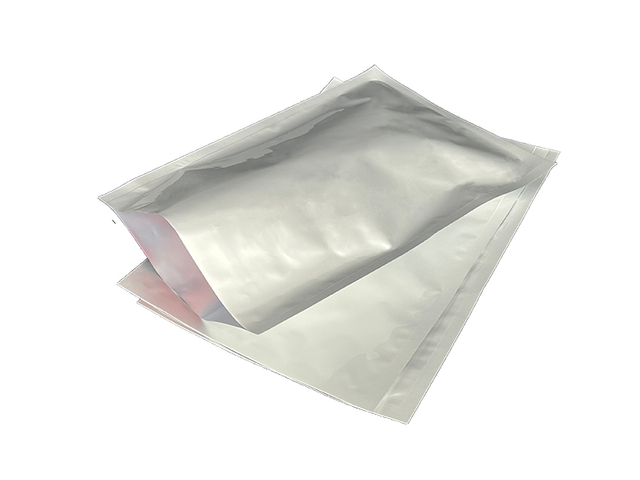
Static problems usually appear during ordinary actions, not extreme situations. Picking up a CPU after walking on a carpet, sliding it across a plastic table, or removing it from standard packaging can all create tribocharging.
Even dry air increases the chance that static will build up and discharge suddenly. Many users underestimate these moments because nothing feels wrong when it happens.
Common high-risk handling scenarios include:
● Removing a CPU from its tray without grounding first, especially in low-humidity rooms.
● Placing the CPU temporarily on paper, plastic, or foam that is not ESD-safe.
● Passing the CPU between people, where friction and clothing materials increase static buildup.
These are exactly the situations where an antistatic bag plays a practical role. It reduces charge accumulation during routine handling, rather than only protecting against rare accidents.
An antistatic bag is designed to control static electricity, not simply to act as a physical container. Its primary job is to prevent charge buildup on the surface of the packaging and around the CPU. When the CPU moves inside the bag or when the bag rubs against other materials, the bag material helps dissipate electrical charges instead of allowing them to accumulate.
For customers, this means the antistatic bag works as a quiet safeguard. It reduces risk during shipping, warehouse storage, and daily handling. GD Decent integrates this idea into its packaging solutions by focusing on material consistency and stable static-dissipative performance, rather than relying on appearance alone.
Tribocharging happens when two materials rub together and exchange electrons. One becomes positively charged, the other negatively charged. With CPUs, this can occur when the component slides inside packaging or contacts unsuitable surfaces. Ordinary plastic bags make this problem worse because they easily hold static charges.
An antistatic bag reduces tribocharging by using materials that do not trap electrical charge. Instead, the charge spreads out and fades away. This is why antistatic packaging feels less “clingy” than normal plastic and why it is trusted in electronics environments.
Not all antistatic bags offer the same level of protection. Some only prevent static buildup on their surface, while others also shield against external electrostatic discharge. This distinction matters when storing high-value components like CPUs.
Bag Type | Primary Function | Protection Level for CPUs |
Dissipative antistatic bag | Reduces static buildup | Suitable for controlled environments |
Static-shielding antistatic bag | Blocks external ESD | Better for transport and long-term storage |
From a customer viewpoint, understanding this difference helps avoid false confidence. An antistatic bag is essential, but choosing the right structure is what makes CPU storage truly safe.
Dissipative antistatic bags are usually made from treated polyethylene materials. Their main role is to prevent static charge from building up on the bag surface when it rubs against other objects. For CPU handling, this matters because friction is one of the most common sources of electrostatic risk. When a CPU sits inside this type of antistatic bag, charges spread out and slowly dissipate instead of concentrating in one spot.
In real use, these bags work best in controlled environments such as ESD-safe workstations or short internal transfers. They reduce everyday static risks but do not block a sudden external discharge. This is why GD Decent often positions dissipative antistatic bags as a basic protection layer rather than a complete solution for high-value CPUs.
Typical use scenarios include:
● Temporary CPU storage during assembly or inspection.
● Short-distance transport inside factories or labs.
● Situations where grounding systems already exist.
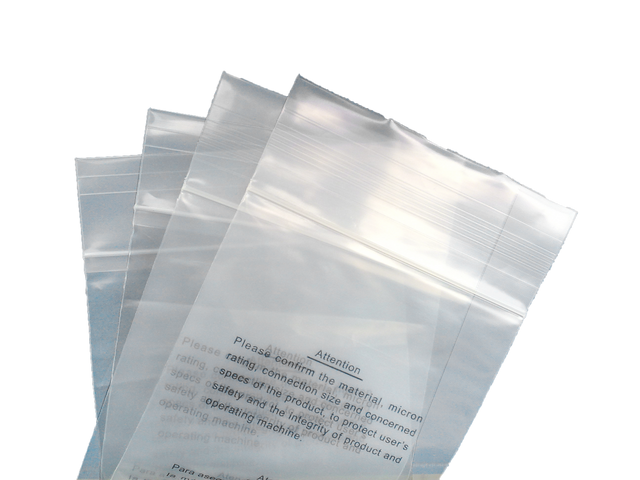
Static-shielding bags offer a higher level of protection by combining dissipative layers with a conductive shield. This structure creates a Faraday cage effect, which redirects external electrostatic discharge around the bag instead of letting it reach the CPU inside. For customers shipping or storing CPUs, this added protection significantly lowers risk.
Unlike basic antistatic bags, static-shielding designs handle both internal charge buildup and outside ESD threats. GD Decent develops these antistatic bag structures for customers who move CPUs across warehouses, logistics networks, or varying climate conditions where static events are harder to control.
Feature | Dissipative Antistatic Bag | Static-Shielding Antistatic Bag |
Static buildup control | Yes | Yes |
External ESD protection | Limited | Strong |
Typical CPU use | Short-term handling | Transport and storage |
Aluminum-coated antistatic bags sit at the top end of CPU protection. They use a multi-layer design where an aluminum layer acts as a conductive barrier, while inner and outer layers manage charge dissipation. This combination makes them suitable for CPUs exposed to long transport times, mixed handling environments, or dry conditions where static risk increases.
For customers, these bags feel slightly thicker and more rigid, which often signals higher protection. GD Decent integrates aluminum-coated antistatic bag solutions into broader static control systems, pairing packaging with environmental management to reduce ESD-related failures. These bags are commonly chosen when CPUs represent high replacement cost or when reliability matters more than packaging weight or transparency.
For most customers, placing a CPU in an antistatic bag is a safe and recommended practice, especially during normal handling and transport. The bag controls static charge buildup caused by friction, movement, or contact with common surfaces. When a CPU is stored or moved inside an antistatic bag, it stays isolated from everyday static threats created by clothing, packaging materials, or dry air.
In practical use, an antistatic bag works best when combined with basic ESD awareness. Many electronics manufacturers rely on this approach, including packaging solutions developed by GD Decent, where antistatic bags are designed to fit naturally into standard logistics and storage workflows. For short transfers, warehouse storage, or installation preparation, this level of protection is usually enough.
Typical situations where an antistatic bag is sufficient include:
● CPU transport inside ESD-managed facilities.
● Temporary storage before installation or testing.
● Shipping CPUs already protected inside trays or clamshells.
Temperature affects how antistatic bag materials behave over time. At higher temperatures, some plastics soften slightly, which can reduce sealing strength and surface stability. At very low temperatures, materials may become rigid and more prone to cracking if handled roughly. These changes do not always damage the CPU directly, but they can reduce the bag’s protective reliability.
Most antistatic bags are designed for normal indoor environments. Keeping CPUs stored within moderate temperature ranges helps maintain consistent static-dissipative performance. GD Decent considers temperature tolerance during material selection, which helps ensure that antistatic bag protection remains stable during transport and storage.
Temperature Range | Impact on Antistatic Bag | CPU Safety Consideration |
Moderate (0–40°C) | Stable material behavior | Ideal for storage and transport |
High heat | Softening, reduced strength | Avoid long exposure |
Extreme cold | Brittleness risk | Handle carefully |
Humidity plays a major role in static behavior. In very dry environments, static electricity builds up more easily and dissipates more slowly. This increases the importance of using an antistatic bag, since it helps control charge even when air moisture is low. In contrast, extremely high humidity can affect coatings or conductive layers over long periods.
Balanced humidity supports the performance of antistatic packaging. Customers often overlook this factor, yet it explains why CPUs stored in dry climates face higher static risk. GD Decent designs antistatic bag materials to perform reliably across common humidity ranges found in electronics storage and shipping environments.
Key humidity-related considerations include:
● Dry air increases static generation during handling.
● Moderate humidity improves charge dissipation.
● Long-term exposure to excessive moisture may affect bag lifespan.
Short-term handling focuses on preventing sudden static discharge during movement. In these cases, a standard antistatic bag usually provides enough protection, especially when combined with careful handling. Long-term storage introduces additional factors such as environmental stability, packaging integrity, and repeated temperature changes.
For extended storage or shipping, customers often prefer higher-grade antistatic bag options, such as static-shielding or aluminum-coated designs. These offer added protection against external electrostatic events over time. Choosing the right antistatic bag depends on how long the CPU stays inside it and how much environmental variation it may face.
Use Scenario | Recommended Antistatic Bag Type |
Short-term handling | Dissipative antistatic bag |
Transport and storage | Static-shielding antistatic bag |
High-risk environments | Aluminum-coated antistatic bag |
Using an antistatic bag correctly matters as much as choosing the right one. A CPU should always be handled gently and placed into the bag before it touches non-ESD surfaces. We should hold it by the edges, not the pins or contacts, and lower it slowly into the antistatic bag to avoid friction inside. Once it is inside, the bag should be closed fully so the CPU stays isolated from outside static sources.
Practical handling tips customers should follow:
● Place the CPU in its tray first if available, then into the antistatic bag.
● Avoid squeezing the bag tightly around the CPU.
● Keep the bag closed whenever the CPU is not in use.
An antistatic bag performs best in a stable environment. Temperature and humidity both influence how static electricity forms and dissipates. We should store CPUs in areas that avoid extreme heat, cold, or dryness. Even a high-quality antistatic bag cannot fully compensate for poor environmental conditions over time.
Storage Factor | Recommended Range | Why It Matters |
Temperature | 0–40°C | Keeps bag materials stable |
Humidity | 30–70% RH | Reduces static buildup |
Surface contact | ESD-safe shelves | Limits friction and charge |
Environmental best practices to keep in mind:
● Avoid direct sunlight or heat sources near stored CPUs.
● Do not stack heavy items on top of antistatic bags.
● Keep CPUs sealed until installation or testing begins.
Using an antistatic bag is a safe way to protect CPUs from static damage during handling and storage. It controls charge buildup, reduces ESD risk, and supports reliable transport. GD Decent provides antistatic bag solutions designed for stable performance, material consistency, and practical use, helping customers protect sensitive CPUs while improving packaging safety and efficiency.
A: Yes, an antistatic bag safely reduces static buildup during normal CPU storage.
A: An antistatic bag dissipates electrical charge and limits ESD contact.
A: CPUs use an antistatic bag to avoid damage from friction and dry air.
A: Yes, humidity influences how an antistatic bag dissipates static electricity.
A: Antistatic bag costs stay low compared to CPU replacement risk.
