
Views: 0 Author: Site Editor Publish Time: 2026-03-13 Origin: Site


Why do machines stop because of invisible charges? Static Electricity often causes hidden problems in modern factories. It affects electronics, film production, and packaging lines.
In this article, we explain Static Electricity in real production environments. You will learn common causes, real industry examples, and practical static elimination methods used to keep manufacturing stable.
Static Electricity refers to the buildup of electric charges on a material surface. It forms when two materials touch and then separate. During that moment, electrons move from one surface to another. One material loses electrons and becomes positively charged. The other gains electrons and becomes negatively charged. This imbalance creates an electrostatic field around the material.
In manufacturing, this process happens constantly. Plastic films unwind from rolls. Paper slides over rollers. Components move along conveyor belts. Each contact and separation transfers a small amount of charge. Over time, the charge accumulates and forms Static Electricity on product surfaces or equipment.
This phenomenon is known as the triboelectric effect. It explains how materials exchange electrons through friction. Some materials easily give away electrons. Others tend to collect them. When these materials separate, the electric imbalance remains.
Several characteristics make static electricity noticeable in production environments:
● Charge buildup on insulating materials
Materials like plastic films, synthetic fibers, and coated surfaces trap electrons easily. They cannot release the charge quickly, so static electricity accumulates during production.
● Electrostatic attraction of particles
Charged surfaces pull dust and tiny particles from the surrounding air. These particles stick to the product surface and often create contamination or defects.
● Sudden electrostatic discharge (ESD)
When the charge finally finds a conductive path, it releases instantly. Even a small discharge can damage sensitive electronic components or disrupt automated equipment.
Static Electricity appears frequently on production floors because manufacturing processes involve constant motion. Materials move across rollers, conveyors, guides, and cutting tools. Every movement creates friction and repeated contact between surfaces.
Factories also process many materials that naturally hold electrical charges. Plastics, films, textiles, and powders are common examples. These materials act as insulators, meaning they store charges instead of dissipating them quickly.
Typical situations that generate static electricity include:
● Material handling during production
Plastic film peeling from a roll or paper moving through printing machines produces friction. This friction transfers electrons and generates static charges.
● Continuous conveyor movement
Products traveling along conveyor belts repeatedly contact rollers and guides. The repeated separation of surfaces increases static accumulation.
● Dry factory environments
Many industrial facilities operate under low humidity conditions. Dry air reduces natural charge dissipation, allowing static electricity to remain on surfaces longer.
These production activities often create static electricity problems across industries.
Production Process | Source of Static Electricity | Resulting Issue |
Film extrusion and packaging | Friction between plastic film and rollers | Dust attraction and product contamination |
Printing and paper processing | Paper moving through rollers and feeders | Sheets sticking or printing defects |
Textile handling | Synthetic fabrics sliding on conveyors | Materials clinging to machinery |
Powder processing | Particle movement inside pipes or containers | Clumping and inaccurate filling |
Because these conditions exist in many production lines, static electricity becomes a routine challenge. Without proper control, it can reduce efficiency, damage products, and interrupt manufacturing operations.
In electronics production, Static Electricity becomes a serious risk. Components such as microchips, sensors, and circuit boards are extremely sensitive. A small electrostatic discharge may destroy them instantly. The voltage may be invisible. Damage still occurs.
Electrostatic discharge usually happens when charged materials or operators touch electronic parts. It releases stored energy in a very short time. Even a low current discharge can burn tiny circuits inside integrated chips. Production lines handling semiconductors must therefore control static carefully.
Two types of ESD damage appear frequently in electronics manufacturing:
● Catastrophic failure
The component stops working immediately. The discharge breaks internal circuits. The device cannot operate after assembly. Manufacturers detect this failure during testing. They must replace the part, which increases production cost.
● Latent failure
This damage is harder to detect. The component continues to operate, yet internal structures are weakened. After weeks or months, the product fails during use. These hidden failures damage product reliability and brand reputation.
To reduce risk, electronics factories often combine static monitoring and elimination tools. For example:
● Ionizing bars installed above assembly lines neutralize charges.
● Ion fans remove static from workstations and operator areas.
● Electrostatic sensors monitor surface voltage in real time.
These solutions help production teams detect and neutralize Static Electricity before it harms sensitive electronics.
Printing and packaging environments often process paper, film, and labels. These materials easily accumulate Static Electricity when they pass over rollers or feeders. As sheets move through the printing press, friction creates electrical charges on their surfaces.
Charged materials attract airborne particles. Dust settles on the printing substrate. Ink then adheres to the dust instead of the surface. When the particle falls away, the ink leaves a gap behind. This creates visible defects in the final printed product.
Typical static-related printing problems include:
● Dust contamination
Charged paper surfaces pull particles from surrounding air. The contamination affects image quality and print clarity.
● Sheet misalignment
Static electricity causes sheets to cling together. Feeding systems struggle to separate them, leading to double feeding or misfeeds.
● Uneven ink transfer
Static-contaminated surfaces prevent smooth ink adhesion. This results in inconsistent colors or missing print areas.
These problems appear frequently in packaging lines handling plastic film and label materials. Ionizing equipment placed near the substrate removes surface charges. It allows materials to move smoothly through printing machines and packaging equipment.
Plastic film production often experiences strong Static Electricity buildup. Film moves rapidly through rollers during extrusion, stretching, cooling, and winding stages. Friction between rollers and polymer surfaces generates electrostatic charges.
The charges remain on the film because plastics are insulating materials. They cannot release electricity easily. As the film travels along the line, the static level increases.
Common issues in film extrusion include:
● Dust attraction on film surfaces
Charged film pulls particles from the surrounding environment. Dust becomes trapped on the material. This contamination affects optical clarity and product quality.
● Material handling problems
Static electricity causes film layers to stick together. Operators struggle to separate sheets during winding or cutting.
● Operator electric shocks
Workers sometimes experience small discharges when touching charged rolls. While usually harmless, these shocks can interrupt workflow.
Production Stage | Static Source | Resulting Problem |
Film extrusion | Friction between rollers and molten polymer | Surface charge buildup |
Cooling section | Temperature changes in plastic material | Persistent electrostatic charge |
Film winding | Contact between film layers | Dust attraction and sticking |
Many factories install ionizing bars near winding stations to neutralize remaining charges. Directed ion airflow removes static from the moving film and keeps the production line stable.
Textile and paper industries also face frequent Static Electricity issues. Synthetic fabrics and paper sheets generate charge as they travel through conveyors, rollers, and folding systems. Dry factory air increases this effect.
Charged fabrics often cling to machine surfaces instead of moving smoothly. Folding machines depend on precise material movement. Static forces disrupt this movement and slow production.
Several situations occur in textile handling:
● Fabric sticking to conveyor belts
Static electricity pulls fabric toward machine surfaces. It prevents accurate folding or stacking.
● Roller wrapping problems
Charged materials may wrap around machine rollers instead of passing through them.
Paper manufacturing experiences similar challenges. As sheets pass through cutters and stacking machines, friction generates electrical charges. These charges cause paper sheets to cling together.
Production difficulties appear in many paper processes:
● Multiple sheets feeding into machines at the same time
● Paper stacks sticking together during handling
● Dust accumulation on paper surfaces
Static elimination tools such as ionizing bars or air nozzles help neutralize these charges along the production line. They release balanced ions into the air. The ions remove surface charges and allow materials to move normally through equipment.
In industrial environments, Static Electricity builds up as materials move through machines. Plastic films slide over rollers. Paper separates from stacks. Powders travel through pipes. Each action transfers electrons between surfaces. Over time, charges accumulate on materials that cannot easily release them.
Ionization technology removes these charges by creating balanced positive and negative ions in the air. These ions move toward charged surfaces naturally. When they reach the material, they neutralize the charge and reduce the electrostatic field.
The ionization process works through several simple actions:
● Ion generation
Ionizing devices create positive and negative ions through controlled electrical discharge. These ions are released into the surrounding air near production equipment.
● Charge attraction
Opposite charges attract each other. A positively charged surface draws negative ions. A negatively charged surface attracts positive ions. This natural movement allows the charges to cancel out.
●Neutralization of Static Electricity
Once ions reach the surface, the charge imbalance disappears. Dust attraction drops and electrostatic discharge risks decrease.Because many industrial materials are insulating, ionization provides an effective way to remove Static Electricity during continuous production.
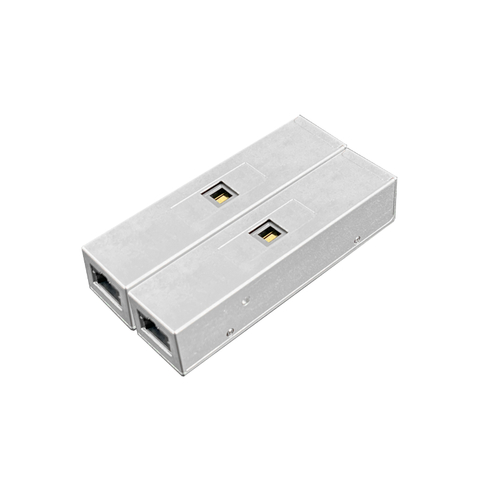
Production lines use different types of equipment to control Static Electricity. Each device works in a specific area of the manufacturing process.
● Ionizing bars
These devices are mounted along conveyor lines or machine frames. They release ions across moving materials such as plastic film, paper, or textiles. This helps neutralize static before dust sticks to the product.
●Ion fans
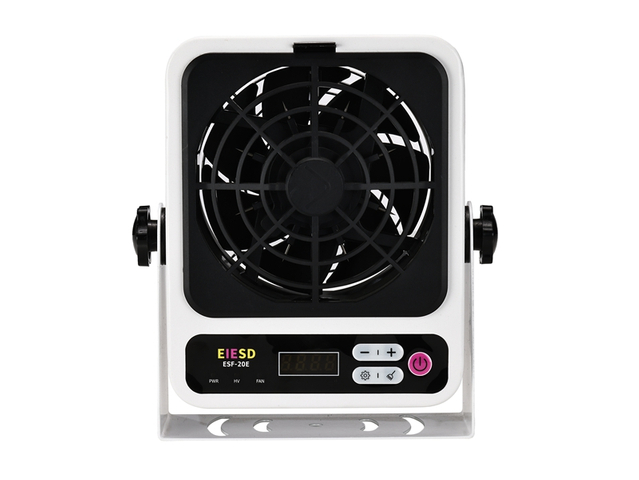
Ion fans spread ionized air across a wider space. They are often used near assembly tables or inspection stations where operators handle products directly.
●Ion nozzles
Ion nozzles deliver a focused stream of ionized air. They remove static from small areas such as packaging zones or precision manufacturing stations.
Equipment | Typical Use Area | Function |
Ionizing Bar | Production lines | Neutralizes static on moving materials |
Ion Fan | Workstations | Covers wide areas with ionized airflow |
Ion Nozzle | Local treatment points | Targets small zones of static buildup |
Factories often combine these tools to maintain stable production conditions and prevent static-related defects.
Because Static Electricity is invisible, monitoring tools help engineers detect charge buildup during production. Electrostatic sensors and static meters measure the electrical field on product surfaces or nearby equipment.
These devices provide real-time information about static levels on the production floor. When static voltage rises, operators can adjust equipment placement or activate additional ionization devices. Monitoring also helps engineers locate the exact point where static electricity forms along the production line.
Manufacturers often combine several methods to control Static Electricity effectively.
● Grounding conductive equipment
Metal frames, conveyors, and machines should connect to ground. This allows charges to dissipate safely.
● Maintaining proper humidity levels
Dry air increases static buildup. Moderate humidity helps reduce charge retention on materials.
● Installing ionization equipment near high-friction areas
Static usually forms where materials move or separate. Placing ionizing bars or nozzles in these areas improves static elimination efficiency.
Static Electricity disrupts many production lines and damages sensitive materials. Effective static elimination improves product quality and workflow stability. GD Decent provides reliable solutions including ionizing bars, ion fans, ion nozzles, and electrostatic sensors. Their equipment helps manufacturers control static quickly and maintain safer, more efficient operations.
A: Examples of Static Electricity include dust attraction, film sticking, and electronic component damage during assembly.
A: Static Electricity forms when materials contact, separate, or move across rollers during manufacturing.
A: Ionization devices neutralize charges and reduce Static Electricity on products and equipment.
A: Ion bars, ion fans, and sensors detect and eliminate Examples of Static Electricity during manufacturing.
A: Yes. Static Electricity attracts dust, causes defects, and may damage sensitive electronic components.
