
Views: 0 Author: Site Editor Publish Time: 2026-02-10 Origin: Site


Can invisible static electricity really destroy electronic parts? Many failures start long before testing. An antistatic bag plays a critical role in ESD protection. In this article, you will learn why antistatic bags matter, how they work, and when they are essential for electronics.
An antistatic bag is not just a simple plastic pouch. It is designed to control static electricity during the storage, handling, and transportation of electronic parts. When components move, slide, or are unpacked, static charges naturally form. If they are not controlled, they can discharge directly into sensitive electronics. An antistatic bag helps manage this risk by either reducing static generation or safely guiding charges away from the product inside.
The core value lies in prevention. The bag works quietly in the background, protecting parts without changing workflows. It also differs from basic packaging because it addresses both internal static buildup and external static exposure, which ordinary bags cannot handle.
Key roles of an antistatic bag include:
● Limiting static charge accumulation during contact and friction
● Creating a safer environment for sensitive electronic components
● Supporting consistent quality from production to delivery
Protection Focus | What It Means for Electronics |
Static prevention | Reduces charge buildup on the bag surface |
Static dissipation | Guides charges away in a controlled way |
Environmental stability | Protects parts during handling and transport |
Antistatic bags work through a combination of static dissipation and shielding, depending on their structure. Dissipative materials slow down the movement of electrical charges. Instead of allowing a sudden discharge, they spread the charge over time, reducing the risk of damage. This makes handling safer during packing, unpacking, and internal transfers.
Shielding antistatic bags go a step further. They use layered structures, often including metalized films, to block external electrostatic fields. This creates a Faraday-cage-style effect around the electronic part. It protects the contents even when the surrounding environment is not fully ESD-controlled.
Why structure matters:
● Single-layer bags focus on surface charge control
● Multi-layer bags add shielding against external static events
● Thicker constructions improve consistency during long transport cycles
These principles explain why many customers prefer multi-layer antistatic bags when shipping high-value electronics across long distances.
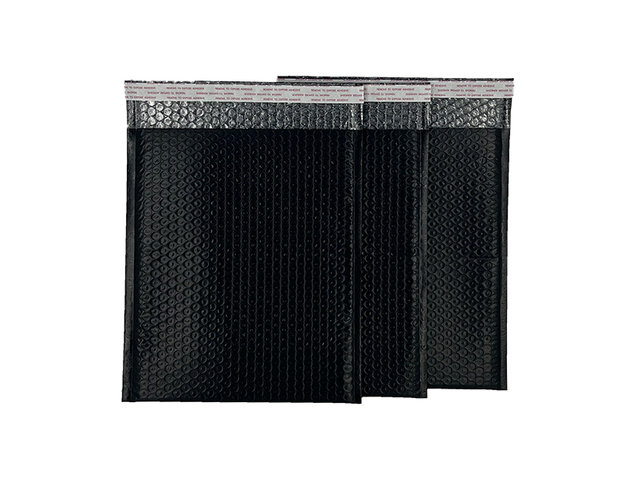
There is no single antistatic bag that fits every application. Customers usually choose based on component sensitivity, handling frequency, and transport conditions. Dissipative antistatic bags are often used for basic static control in clean, controlled environments. They reduce charge buildup but do not block strong external static fields.
For more sensitive parts, static shielding antistatic bags provide added protection. Their layered design helps block external electrostatic discharge and improves reliability during logistics. In stricter ESD environments, conductive antistatic bags are used to allow fast and controlled charge dissipation, especially where grounding systems are in place.
GD Decent’s product range fits naturally into these scenarios. Their aluminum-coated antistatic bags are commonly selected for shielding-critical applications, while carbon-loaded conductive bags support high-demand ESD workflows.
Antistatic Bag Type | Typical Use Scenario |
Dissipative bags | Low to medium sensitivity components |
Static shielding bags | High-value or highly sensitive electronics |
Conductive bags | Controlled ESD environments with grounding |
By understanding how each antistatic bag type works, customers can match protection levels to real-world risks instead of overpacking or underprotecting their electronic parts.
Electronic parts are extremely sensitive to electrostatic discharge, even when the voltage feels harmless to people. A sudden discharge can destroy a component instantly, causing it to fail during testing or assembly. In many cases, the damage is not obvious. The part still works, but its internal structure has been weakened. Over time, this hidden damage turns into unstable performance, early failure, or random malfunction in the field.
This is why relying on visual inspection alone creates a false sense of safety. ESD often leaves no burn marks or visible cracks. Without an antistatic bag, components face repeated exposure during handling, storage, and transport. Each small discharge adds stress, and they accumulate faster than most teams expect.
Common ESD damage patterns seen in electronics:
● Immediate failure during power-up or functional testing
● Latent defects that pass inspection but fail weeks later
● Reduced lifespan and inconsistent electrical behavior
Type of ESD Damage | What Happens in Real Use |
Instant failure | Component stops working immediately |
Latent defect | Works at first, fails later |
Performance drift | Gradual instability and errors |
In practical workflows, companies using structured antistatic bag solutions, such as those supplied by GD Decent, reduce these risks early instead of chasing failures downstream.
ESD is not only a quality issue. It also raises safety and compliance concerns in static-prone environments. In areas where flammable gases, fine dust, or sensitive electronics are present, an uncontrolled discharge can become an ignition source. Even small sparks may trigger incidents in high-risk settings. Using an antistatic bag helps limit charge buildup and lowers the chance of sudden discharge during routine handling.
From a compliance standpoint, ESD-safe packaging supports disciplined manufacturing practices. It shows control, consistency, and awareness of risk. Many production environments expect antistatic packaging as a basic requirement, not an upgrade. When teams ignore it, they introduce avoidable hazards and expose operations to audit failures or process instability.
Operational risks without proper antistatic packaging include:
● Increased fire or ignition risk in sensitive zones
● Inconsistent ESD control during manual handling
● Difficulty meeting internal or customer ESD standards
By integrating antistatic bag usage into daily workflows, manufacturers align safety, compliance, and product reliability without slowing operations.
Choosing the right antistatic bag starts by understanding how sensitive the electronic part really is. Not every component faces the same ESD risk. Some parts tolerate minor static exposure, while others can fail from a discharge people cannot even feel. When teams ignore this difference, they often overpay for protection or underprotect critical parts.
For low-sensitivity components, basic antistatic bags usually work well. They reduce surface charge buildup during handling and short-term storage. High-sensitivity parts, such as ICs or precision modules, face more exposure during transport and repeated handling. In these cases, shielding-grade antistatic bags become essential because they block external static fields instead of only controlling surface charge.
Typical matching logic used in production:
● Low-risk parts handled in controlled areas often use basic antistatic bags
● Medium-risk components benefit from improved dissipation during transport
● High-risk electronics require shielding to survive logistics and storage
Component Sensitivity | Recommended Antistatic Bag |
Low sensitivity | Basic dissipative antistatic bag |
Medium sensitivity | Enhanced dissipative structure |
High sensitivity | Static shielding antistatic bag |
GD Decent supports this selection approach by offering multiple antistatic bag options, allowing teams to match protection level to real operational risk instead of guessing.

The structure of an antistatic bag determines how well it performs under real conditions. Single-layer antistatic bags focus mainly on reducing static buildup caused by friction and contact. They work well in stable environments but offer limited defense against external electrostatic events. Multi-layer designs improve protection by combining dissipation and shielding into one package.
Aluminum-coated antistatic bags add a metalized layer that reflects and blocks external static fields. This also improves moisture resistance, which matters during long-distance shipping or storage. Carbon-loaded conductive bags take a different approach. They allow static charges to move quickly and safely away when grounding systems are present, making them ideal for controlled ESD environments.
Material-based protection differences:
● Single-layer bags control surface charge only
● Aluminum-coated bags add shielding and environmental stability
● Carbon-loaded bags support fast, controlled discharge paths
Material Structure | Protection Characteristic |
Single-layer | Static dissipation only |
Aluminum-coated | Shielding plus moisture control |
Carbon-loaded | Rapid conductive discharge |
By offering aluminum-coated and carbon-loaded antistatic bag structures, GD Decent helps manufacturers choose protection based on workflow, environment, and component value rather than relying on one generic solution.
In electronics factories, an antistatic bag is part of daily handling, not a special add-on. PCBs, ICs, and semiconductors move through many hands and machines before final assembly. Each transfer creates friction, and friction creates static. If it is not controlled early, damage can happen before testing even starts. Antistatic bags reduce this risk during kitting, line-side storage, and work-in-progress transfers.
They also fit well into both manual and automated processes. Operators can open and reseal them quickly, while automated lines rely on consistent materials that do not introduce new static problems. GD Decent designs its antistatic bags to stay stable in high-speed workflows, helping teams keep protection in place without slowing production.
Typical manufacturing touchpoints include:
● Incoming component inspection and sorting
● Temporary storage between assembly steps
● Safe movement between ESD-controlled zones
Manufacturing Stage | Role of Antistatic Bag |
Component intake | Limits static during unpacking |
Assembly handling | Reduces charge buildup from contact |
In-line storage | Maintains ESD safety between steps |
Once electronic parts leave the production floor, risks increase. Storage areas vary in humidity, temperature, and handling discipline. During logistics, packages pass through conveyors, trucks, and warehouses, often across borders. Each step adds exposure to static electricity and moisture. An antistatic bag provides a controlled micro-environment around the product, even when external conditions change.
For long-term storage or export packaging, shielding-grade antistatic bags become especially important. Aluminum-coated structures help block external static fields and reduce moisture ingress during extended transit. GD Decent’s antistatic bag solutions are commonly used in export packaging because they balance protection, durability, and packing efficiency.
Common logistics challenges they address:
● Repeated handling during multi-stage transport
● Static buildup inside cartons and pallets
● Moisture exposure during long storage periods
Logistics Scenario | Protection Benefit |
Long-distance shipping | Shields against external static |
Warehouse storage | Maintains stable surface charge |
Export packaging | Adds moisture and ESD control |
Different industries face different ESD risks, yet they share one need: reliable protection for electronic parts. In consumer electronics, antistatic bags protect mobile devices and components during fast-moving production cycles. In automotive manufacturing, electronic control units and sensors demand consistent ESD control because failures can affect safety systems. Medical and industrial equipment rely on stable electronics, where even minor defects cause serious consequences.
Aerospace and high-reliability sectors push requirements even further. Components often face long storage times and strict traceability rules. Here, antistatic bags support both protection and process discipline. GD Decent supports these industries by offering antistatic bag options that match different risk levels without forcing one solution everywhere.
Industries relying heavily on antistatic packaging:
● Consumer electronics and mobile devices
● Automotive electronics and sensor systems
● Medical, industrial, and aerospace equipment
Antistatic bags protect electronic parts from invisible ESD damage during handling and transport.They reduce failures, improve safety, and support stable production quality.GD Decent offers reliable antistatic bag solutions that balance protection, efficiency, and long-term value.
A: An antistatic bag prevents static buildup and protects electronic parts from ESD damage.
A: An antistatic bag reduces hidden ESD damage that causes early or delayed failures.
A: Match the antistatic bag to component sensitivity and handling conditions.
A: Yes, an antistatic bag protects parts during transport and long-term storage.
A: An antistatic bag costs less than replacing damaged electronic components.
