
Views: 0 Author: Site Editor Publish Time: 2025-08-08 Origin: Site


Electrostatic sensing technology is a fascinating field that has revolutionized the way we detect and measure changes in electrostatic fields. These invisible forces, generated by charged particles, play a crucial role in various industrial and scientific applications. In this comprehensive guide, we will explore the principles and applications of electrostatic sensors, highlighting their importance in modern technology.
An electrostatic sensor is a device designed to detect changes in electrostatic fields caused by charged particles. Unlike capacitive sensors, which rely on changes in capacitance, electrostatic sensors directly measure the electric field. This makes them highly sensitive and versatile, capable of detecting both metallic and non-metallic particles.
Electrostatic sensors offer several unique advantages. They provide non-intrusive, real-time measurements, making them ideal for applications where direct contact is not feasible. These sensors can detect tiny changes in electrostatic fields, providing valuable data for monitoring and control systems.
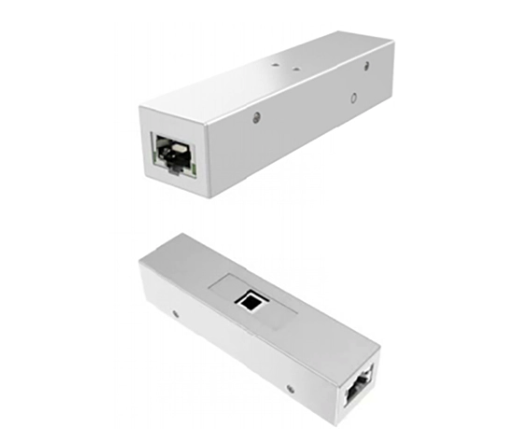
Static electricity is a fascinating and common phenomenon that occurs when an object gains or loses electrons. This can happen in everyday situations. For example, when you rub a wool sweater, it generates static electricity, causing the sweater to attract small particles like dust or lint. Another familiar example is the balloon trick: rubbing a balloon on your hair makes it stick to walls. This happens because the friction between the balloon and your hair transfers electrons, creating a charge imbalance.
The triboelectric effect is the underlying principle behind these phenomena. When two different materials come into contact and then separate, electrons can be transferred from one material to the other. This transfer creates a charge imbalance, with one material becoming positively charged and the other negatively charged. The resulting charge imbalance generates an electric field, which can be detected by electrostatic sensors.
The core working principle of electrostatic sensors is electrostatic induction, a fundamental concept in physics. When a charged particle moves near the sensor’s probe, it creates an electric field around itself. This electric field extends outwards and interacts with the probe. As a result, the probe becomes polarized, meaning that the charges within the probe rearrange themselves in response to the external electric field.
The sensor then converts this induced charge into a measurable signal. This process involves several steps. First, the induced charge generates a small electric current. This current is then amplified by a charge amplifier, making it strong enough to be detected and measured. The amplified signal is then processed and converted into a form that can be easily interpreted by monitoring systems or computers.
Understanding the terminology used in electrostatic sensing is essential for grasping how these sensors work. Key terms include:
Electric Potential: The electric potential at a point in an electric field is the amount of work needed to move a unit positive charge from infinity to that point. Think of it as the “height” of the electric field at a specific location. Higher electric potential means more work is required to move a charge to that point.
Capacitance: Capacitance is the ability of a system to store an electric charge. It is measured in farads (F). Capacitors, which are devices designed to store charge, are a common example. In the context of electrostatic sensors, capacitance plays a role in how the sensor’s probe interacts with the electric field.
Induced Current: The induced current is the flow of electric charge caused by the induced electric field. When the electric field from a charged particle interacts with the sensor’s probe, it causes charges within the probe to move. This movement of charge creates an electric current.
The sensing electrode is the heart of an electrostatic sensor. It detects changes in the electric field caused by charged particles. Electrodes come in various shapes, including rings, buttons, plates, and hemispheres. The choice of shape depends on the application. For example, a ring electrode is ideal for measuring charges on a conveyor belt, while a button electrode is suitable for small surfaces.
Materials used for sensing electrodes include nickel alloys and conductive ceramics. Nickel alloys offer high conductivity and heat resistance, making them suitable for high-temperature applications. Conductive ceramics provide durability and resistance to corrosion.
Isolation and shielding are critical components of an electrostatic sensor. They prevent leakage currents and reduce noise interference. Common materials used for isolation include ceramics, mica, and PTFE. These materials ensure reliable performance by withstanding high temperatures and preventing charge leakage.
Shielding is essential for maintaining accuracy. Earth shields block external interference, ensuring that the sensor detects only the intended signals. Proper shielding design is crucial for minimizing noise and improving sensor performance.
Signal conditioning electronics play a vital role in converting the induced charge into a measurable signal. Key components include charge amplifiers, filters, and converters. Charge amplifiers boost the weak signals generated by the induced charge, making them easier to process. Filters remove unwanted noise, ensuring accurate measurements. Converters transform the analog signals into digital data, which can be easily analyzed by computers or other devices.
Grounding and calibration are also essential for ensuring accurate measurements. Proper grounding reduces electrical noise, while regular calibration ensures that the sensor remains accurate over time.
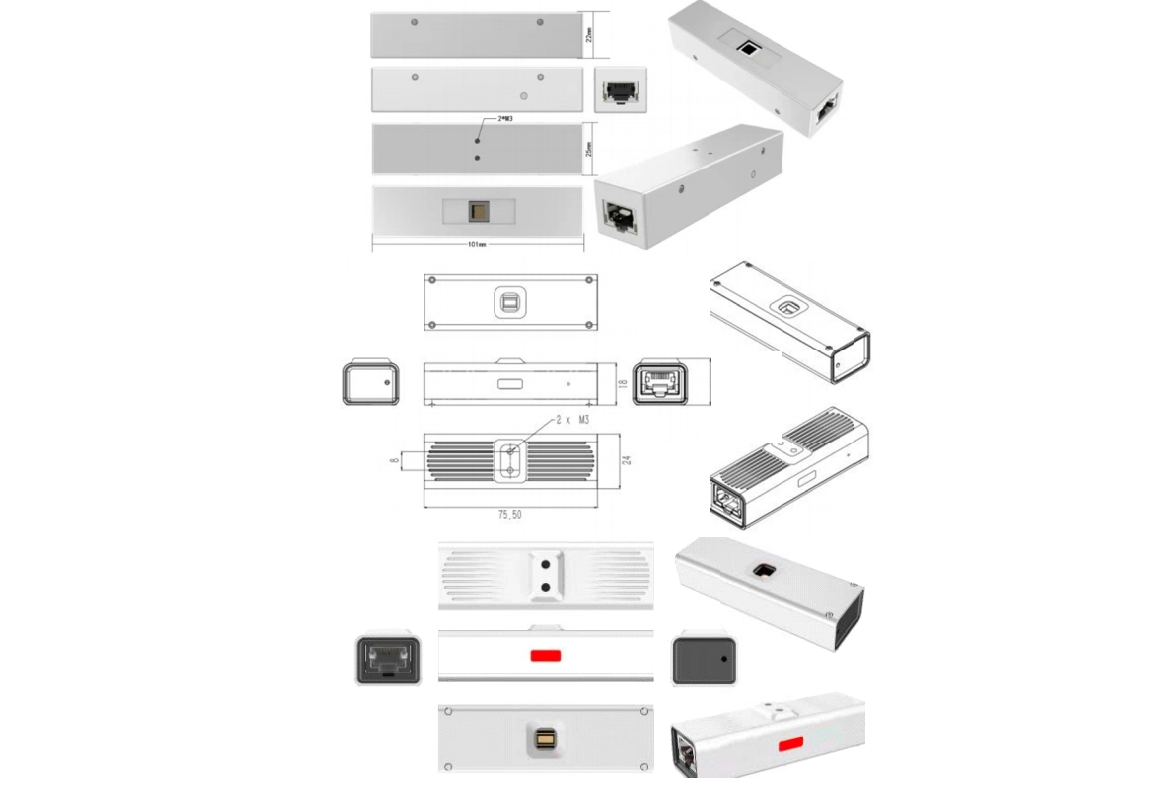
Electrostatic sensors are widely used for measuring the flow of pneumatically conveyed solids. These sensors can detect velocity, concentration, and distribution of particles in pipelines. By using cross-correlation methods, they can accurately measure particle velocity and provide real-time data for process optimization.
In manufacturing plants, electrostatic sensors play a crucial role in monitoring particulate emissions. They help ensure compliance with environmental regulations by detecting and measuring the concentration of particles released into the atmosphere.
Fluidised bed reactors are commonly used in chemical and pharmaceutical industries. Electrostatic sensors can monitor particle movement within these reactors, providing valuable data for process control and optimization.
Electrostatic sensors can estimate particle size distribution by analyzing the electrostatic signal patterns generated by charged particles. This real-time data is essential for optimizing processes and ensuring product quality.
In combustion systems, electrostatic sensors can detect flame presence and stability. This information is crucial for ensuring efficient and safe operation of burners.
Electrostatic sensors can measure the speed and vibration of rotating machinery without direct contact. This non-contact measurement method is ideal for applications where physical contact is not feasible or could cause damage.
| Application Area | Description |
|---|---|
| Flow Measurement of Pneumatically Conveyed Solids | Detects velocity, concentration, and distribution of particles in pipelines. Provides real-time data for process optimization. |
| Monitoring Particulate Emissions | Ensures compliance with environmental regulations by measuring particle concentration in manufacturing plants. |
| Fluidised Bed Monitoring | Monitors particle movement in reactors for process control and optimization in chemical and pharmaceutical industries. |
| On-line Particle Sizing | Estimates particle size distribution by analyzing electrostatic signals, essential for process optimization and quality control. |
| Burner Flame Monitoring | Detects flame presence and stability in combustion systems, ensuring efficient and safe operation. |
| Mechanical Speed and Vibration Measurement | Measures speed and vibration of rotating machinery without contact, suitable for applications where physical contact is not feasible. |
While electrostatic sensors offer numerous advantages, they also face some challenges and limitations. Sensitivity to environmental noise and humidity can affect their accuracy. Distinguishing between different types of particles can be challenging, as the sensors primarily detect the presence of charge rather than the material type.
Calibration and baseline drift are also important considerations. Regular calibration is necessary to ensure accurate measurements, and baseline drift can occur due to changes in environmental conditions or sensor aging.
Finally, awareness of electrostatic sensing technology is still limited compared to other sensing methods. This can make it challenging to adopt and integrate these sensors into existing systems.
Yes, environmental conditions such as humidity and noise can affect the accuracy of electrostatic sensors. Proper shielding and calibration can help mitigate these effects.
The lifespan of an electrostatic sensor depends on several factors, including the operating environment and maintenance. With proper care and regular calibration, these sensors can last for many years.
The best installation method depends on the specific application and environment. Proper grounding, shielding, and calibration are essential for ensuring high-accuracy measurements. Consulting with a specialist can help determine the optimal installation method for your needs.
Electrostatic sensors play a crucial role in modern industrial and scientific applications. Their ability to detect changes in electrostatic fields provides valuable data for monitoring and control systems. From flow measurement to human activity monitoring, these sensors offer unique advantages that make them indispensable in various fields.
As technology continues to advance, electrostatic sensors are becoming more powerful and versatile. Miniaturization, integration into larger systems, and advanced signal processing are just a few of the exciting trends shaping the future of this technology. By understanding the principles and applications of electrostatic sensors, you can harness their potential to improve efficiency, safety, and performance in your operations.
At GD Decent Industry Co., Ltd., we specialize in cutting-edge electrostatic sensor technology. Our solutions are designed to meet your unique needs, ensuring reliable and accurate measurements. Whether you’re looking to enhance safety, optimize performance, or stay ahead of the curve, our team is here to help. Contact us today to explore how electrostatic sensors can transform your projects and achieve your goals.
