
Views: 0 Author: Site Editor Publish Time: 2025-08-08 Origin: Site


Ever wondered what an electrostatic sensor is and how it works? These amazing devices detect invisible electrostatic fields, helping us see what our eyes can’t. From tiny particles to big industrial applications, electrostatic sensors play a crucial role. Let’s dive into the world of electrostatic sensors and discover their incredible uses and benefits.
An electrostatic sensor is a clever device. It detects changes in electrostatic fields. These fields are invisible forces around charged particles. Imagine tiny invisible bubbles around charged objects. The sensor can “see” when these bubbles change.
Electrostatic sensors help us understand the world better. They can detect tiny changes that our eyes can’t see. Scientists use them to study particles. Engineers use them to make machines safer. Even artists can use them to create interactive art. They are like super-sensitive eyes for invisible forces.
Electrostatic sensors can work in different environments, from labs to factories.
They can detect both positive and negative charges.
Some sensors can even measure the strength of the charge.
These sensors are like tiny detectives. They find clues in the form of changing electrostatic fields.
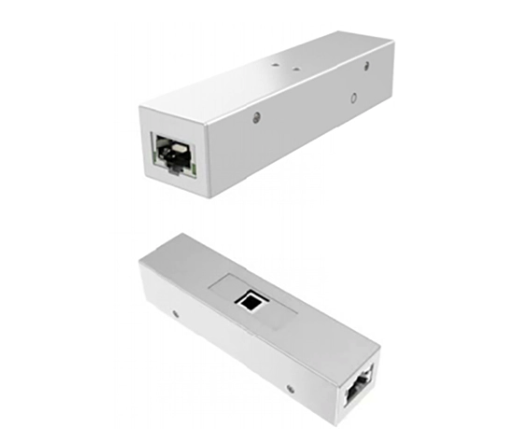
Electrostatic induction is like a magic trick. Imagine a balloon. When you rub it on your hair, it gets charged. The same thing happens with electrostatic sensors. When charged particles move near the sensor, they create an electric field. This field is like an invisible force bubble. The sensor can “feel” this bubble.
When a charged particle passes by the sensor’s probe, something cool happens. The probe gets influenced by the electric field. It’s like the probe is waving hello to the charged particle. This interaction causes a change in the probe’s own charge. The sensor then notices this change.
1.Movement of Charges: Inside the sensor probe, charges start to move. Think of them like tiny dancers responding to the charged particle’s electric field.
2.Induced Charge: The electric field from the charged particle makes the probe’s charges rearrange. This creates an induced charge on the probe.
3.Conversion to Signals: The induced charge is like a secret message. The sensor converts this message into a measurable signal. It’s like translating the invisible force into something we can understand.
4.Signal Conditioner: The signal conditioner is like a helper. It makes the signal stronger and clearer. This way, the sensor can send accurate information to other devices or computers.
The sensing probe is the core part of an electrostatic sensor. It detects electrostatic charges. Materials are important. Nickel alloy is a popular choice. It has high conductivity and heat resistance. Shape also varies. Probes can be rings, buttons, plates, cylinders, or hemispheres. Each shape fits different applications. For example, a ring probe works well for measuring charges on a conveyor belt. A button probe is ideal for small surfaces. These variations make the sensor versatile.
The isolation medium is a key part. It prevents charge leakage. It also withstands high temperatures. Common materials include ceramic, mica, and PTFE. Ceramic is hard and durable. Mica is flexible and thin. PTFE is heat-resistant and non-conductive. These materials ensure reliable performance. They protect the sensor from damage and interference.
Shielding is essential for accuracy. Earth shields block external interference. This keeps the sensor accurate. The unit also has charge amplifiers. They convert charge to voltage signals. These signals are easy to process and analyze. The unit processes the signals quickly. This makes the sensor efficient and reliable.
Choosing the right material is crucial for an electrostatic sensor. Conductivity and thermal endurance are key factors. Materials with high conductivity ensure efficient charge detection. Thermal endurance keeps the sensor stable in varying conditions. The material also affects the electrostatic equilibrium time. For example, a material with high thermal conductivity can help the sensor reach equilibrium faster. This is important for applications requiring quick response times.
The shape and installation location of the sensor impact its performance. The position of the sensing surface affects sensitivity. For instance, placing the sensor closer to the charge source increases sensitivity. When selecting shapes, consider the application. For inlet debris detection, a cylindrical or plate-shaped sensor works well. For exhaust monitoring, a ring or hemisphere shape might be more suitable. These choices ensure optimal performance for specific tasks.
Several factors influence the sensitivity of an electrostatic sensor. The probe radius, isolation medium permittivity, and isolation thickness all play a role. A larger probe radius can increase sensitivity, but it may also affect response time. The permittivity of the isolation medium affects charge detection efficiency. Thicker isolation layers can reduce sensitivity but improve durability. Finite element modeling (FEM) provides insights into these trade-offs. FEM simulations help optimize design parameters for the best performance.
Electrostatic sensors are vital in aero-engine health monitoring. They detect ingested debris or exhaust particles. These sensors provide real-time data. This helps in identifying potential issues early. For example, detecting foreign objects can prevent engine damage. Real-time monitoring ensures safety and reduces maintenance costs. It also helps in scheduling timely repairs.
In industrial machinery, lubrication oil debris detection is crucial. Electrostatic sensors detect charged wear particles in oil systems. This early detection helps identify faults in bearings and gears. By monitoring debris levels, maintenance teams can take preventive actions. This extends the life of machinery and reduces downtime.
Electrostatic sensors are used to measure mass flow rates. They monitor pneumatically conveyed solids in power plants and steel industries. These sensors use cross-correlation methods to measure velocity. This helps in optimizing production processes. For example, in power plants, accurate flow measurement ensures efficient fuel delivery. In steel industries, it helps control material flow in conveyors.
Static electricity control is essential in many industries. In electronics manufacturing, electrostatic sensors prevent ESD (electrostatic discharge) damage. This protects sensitive components. In automotive painting, they reduce dust adhesion. This ensures a smooth and high-quality finish. In pharmaceutical production lines, static control prevents contamination. This ensures product safety and quality.

Electrostatic sensors offer several advantages that make them ideal for various applications. Here are some key benefits:
Electrostatic sensors can operate without physical contact. This is crucial in harsh environments. They work well in high-temperature or corrosive settings. For example, in industrial furnaces, these sensors can measure without getting damaged. This non-contact feature ensures long-lasting performance and reliability.
These sensors detect both ferrous (iron-based) and non-ferrous particles. This is important because different materials can cause different issues. For example, in oil systems, detecting both types of particles helps identify wear in various components. This high sensitivity ensures comprehensive monitoring.
Real-time data is a major benefit of electrostatic sensors. They provide instant feedback on conditions. This allows for preventive maintenance. For example, in aero-engines, real-time monitoring can detect debris before it causes damage. This helps in scheduling maintenance and reducing unexpected downtime.
Electrostatic sensors can detect tiny changes on surfaces. These changes might not be visible yet but can indicate potential problems. For example, in machinery, detecting early surface changes can prevent major failures. This early detection helps in maintaining equipment efficiency and longevity.
Electrostatic sensor technology is constantly evolving. Here are some exciting trends shaping its future:
Sensors are getting smaller. Miniaturization makes them more adaptable. They can fit into tight spaces. For example, tiny sensors can be placed inside engines. This allows for more detailed monitoring. Smaller sensors also use less power. This makes them perfect for portable devices.
Electrostatic sensors are becoming part of larger systems. For instance, in aviation, they integrate with FADEC (Full Authority Digital Engine Control). This means the sensor data helps control the entire engine. It’s like giving the engine a smart health check. This integration improves safety and efficiency.
Signal processing is getting smarter. With AI, sensors can predict problems before they happen. AI analyzes data patterns. It learns what normal looks like. When something changes, it alerts maintenance teams. This predictive maintenance saves time and money. It also reduces unexpected breakdowns.
Sensors are getting smarter about what they measure. They can adjust their baseline and threshold settings. This means they can adapt to changing conditions. For example, in a factory, the sensor can change its sensitivity based on the environment. This flexibility makes them more accurate and reliable.
These trends show that electrostatic sensors are becoming more powerful and versatile. They will play a big role in the future of technology.
A: Electrostatic sensors detect charge directly, while capacitive sensors measure changes in capacitance. Capacitive sensors need contact, but electrostatic sensors work without touching the object.
A: Yes, electrostatic sensors can detect both metallic and non-metallic particles. They sense charges on any material, making them versatile for various applications.
A: Electrostatic sensors are highly accurate in industrial settings. They provide real-time data with high sensitivity, ensuring reliable detection of particles and changes in conditions.
A: Yes, environmental factors like humidity can affect readings. However, modern electrostatic sensors are designed to minimize these effects, ensuring consistent performance.
Ready to take the next step in understanding electrostatic sensors? From aero-engine health monitoring to industrial static control, these sensors offer incredible versatility and precision. At GD Decent Industry Co., Ltd., we specialize in cutting-edge electrostatic sensor technology, designed to meet your unique needs. Whether you’re looking to enhance safety, optimize performance, or simply stay ahead of the curve, our solutions are tailored for you. Let’s work together to unlock the full potential of electrostatic sensing. Reach out to us today to explore how we can help you achieve your goals.
Curious to see these sensors in action? Our team at GD Decent Industry Co., Ltd. is here to guide you through every step. From detailed consultations to real-time demonstrations, we ensure you get the most out of our technology. Don’t miss out on the opportunity to transform your operations with state-of-the-art electrostatic sensors. Contact us now and let’s make your project a success!
