
Views: 0 Author: Site Editor Publish Time: 2025-08-08 Origin: Site


Electrostatic sensors are emerging as a transformative technology in modern manufacturing. These advanced devices offer unparalleled precision in detecting and controlling static electricity, a common yet often overlooked issue in many industrial settings. By integrating electrostatic sensors into their operations, manufacturers can significantly enhance productivity, improve product quality, reduce maintenance costs, and ensure a safer working environment. This comprehensive guide explores the multifaceted role of electrostatic sensors in manufacturing processes, highlighting their benefits and potential applications.
Electrostatic sensors are specialized devices designed to detect changes in electrostatic fields caused by charged particles. Unlike traditional sensors that rely on mechanical contact or optical detection, electrostatic sensors measure the electric field directly. This unique capability makes them highly sensitive and versatile, allowing them to detect both metallic and non-metallic particles.
Electrostatic sensors operate on the principle of electrostatic induction. When a charged particle moves near the sensor’s probe, it creates an electric field. This field induces a charge on the probe, causing a measurable change in the probe’s electric potential. The sensor then converts this induced charge into a measurable signal, providing real-time data on the presence and movement of charged particles.
| Type of Sensor | Description | Applications |
|---|---|---|
| Capacitive Electrostatic Sensor | Measures changes in capacitance due to electrostatic fields. | Suitable for detecting changes in dielectric materials. |
| Inductive Electrostatic Sensor | Detects changes in the electric field through induced currents. | Ideal for monitoring high-voltage systems. |
| Piezoelectric Electrostatic Sensor | Converts mechanical stress into electrical signals. | Used in applications requiring high sensitivity to mechanical vibrations. |
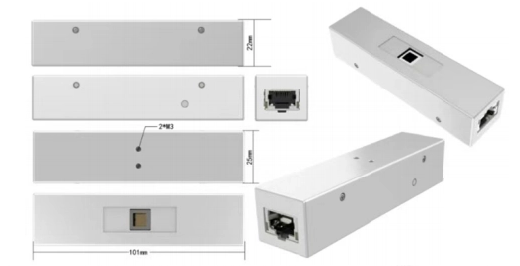
Electrostatic sensors play a crucial role in monitoring and controlling static electricity in manufacturing environments. Static electricity can build up during various processes, such as material handling, packaging, and assembly. If left unchecked, static charges can lead to product defects, equipment malfunctions, and even safety hazards.
Static charges can cause a range of issues in manufacturing, including:
Product Defects: Static can attract dust and contaminants, leading to defects in sensitive products like electronics and pharmaceuticals.
Equipment Malfunctions: Excessive static can cause sparks, leading to equipment damage or even fires.
Safety Hazards: Static discharges can ignite flammable materials, posing a significant risk to workers and facilities.
By detecting and controlling static charges, electrostatic sensors help maintain optimal production conditions, ensuring high-quality products and a safe working environment.
One of the primary benefits of electrostatic sensors is their ability to enhance product quality. By detecting and controlling static charges, these sensors prevent defects and ensure consistent product performance.
Electrostatic sensors enable real-time monitoring of static conditions on the production line. This allows manufacturers to detect and address issues immediately, reducing the likelihood of defects and improving overall product quality.
Electrostatic sensors are also valuable tools for predictive maintenance. By continuously monitoring static conditions, these sensors can detect early signs of equipment malfunction and prevent costly breakdowns.
Electrostatic sensors provide continuous data on static conditions, allowing manufacturers to identify trends and potential issues before they escalate. This proactive approach minimizes downtime and extends the lifespan of equipment.
Electrostatic sensors can be integrated with predictive maintenance systems and Industry 4.0 platforms. These systems use advanced analytics and machine learning to process sensor data, providing actionable insights for maintenance planning.
Worker safety is a critical concern in manufacturing environments. Electrostatic sensors play a vital role in maintaining a safe and controlled working environment by detecting and mitigating electrostatic hazards.
Electrostatic sensors can detect unsafe static levels that could lead to sparks or fires. By monitoring these conditions in real-time, manufacturers can take immediate action to prevent accidents and ensure worker safety.
Electrostatic sensors can be combined with other environmental sensors to maintain optimal humidity and air quality. This integrated approach ensures a safe and comfortable working environment, reducing the risk of static-related hazards.
Electrostatic sensors enable advanced automation and process optimization in manufacturing. By providing real-time data on static conditions, these sensors allow manufacturers to fine-tune their processes for maximum efficiency.
Electrostatic sensors can be integrated into automated static control systems. These systems use feedback loops to adjust static conditions in real-time, ensuring optimal production conditions.
Electrostatic sensors can improve the accuracy of robotic handling and assembly by monitoring static conditions. By detecting and mitigating static charges, these sensors ensure precise handling and assembly of sensitive components.
Electrostatic sensors contribute to energy efficiency and cost savings in manufacturing. By optimizing static conditions, these sensors reduce energy waste and improve overall process efficiency.
Static charges can cause energy losses in machinery and systems. By detecting and controlling static charges, electrostatic sensors prevent these losses, improving energy efficiency.
Electrostatic sensors can be used to optimize HVAC and electrostatic discharge control systems. By providing real-time data on static conditions, these sensors enable precise control of environmental conditions, reducing energy consumption and costs.
While electrostatic sensors offer numerous benefits, their implementation comes with certain challenges and considerations.
Environmental conditions such as temperature, humidity, and interference can affect the accuracy of electrostatic sensors. Proper shielding and calibration are essential to minimize these effects and ensure reliable readings.
Regular calibration and maintenance are crucial for ensuring the long-term reliability and accuracy of electrostatic sensors. Manufacturers should follow best practices to ensure optimal performance.
The cost of implementing electrostatic sensors can be a consideration for some manufacturers. However, the long-term benefits of improved productivity, reduced maintenance costs, and enhanced product quality often outweigh the initial investment.

The future of electrostatic sensor technology is promising, with several emerging trends and innovations on the horizon.
Advancements in sensor materials and miniaturization are making electrostatic sensors smaller and more efficient. These innovations enable the integration of sensors into a wider range of applications, from wearable devices to large-scale industrial systems.
The integration of electrostatic sensors with AI and machine learning algorithms is a key trend. These advanced algorithms can analyze sensor data in real-time, providing actionable insights and enabling predictive maintenance.
Electrostatic sensors are finding new applications in sectors such as renewable energy, healthcare, and smart cities. These sensors offer unique capabilities for monitoring and controlling static conditions in these emerging fields.
Electrostatic sensors are beneficial across a wide range of industries, including electronics manufacturing, pharmaceuticals, automotive, food processing, and renewable energy. These sensors are particularly valuable in industries where static control is critical for product quality and safety.
Electrostatic sensors offer several advantages over traditional static control methods. Unlike passive methods such as ionizers or antistatic mats, electrostatic sensors provide real-time monitoring and active control of static conditions. This enables more precise and effective static management.
Yes, electrostatic sensors can be retrofitted into existing manufacturing lines. Many manufacturers have successfully integrated these sensors into their existing systems, achieving significant improvements in productivity and quality. Proper planning and consultation with experts can ensure a seamless integration process.
Electrostatic sensors improve product reliability by detecting and controlling static charges that can cause defects and failures. By maintaining optimal static conditions, these sensors ensure consistent product performance and reduce the likelihood of defects, leading to higher product reliability.
Electrostatic sensors offer a wide range of benefits for modern manufacturing processes. By enhancing productivity, improving product quality, enabling predictive maintenance, and ensuring worker safety, these sensors are becoming indispensable tools in the manufacturing industry. As technology continues to advance, electrostatic sensors will play an increasingly important role in the future of manufacturing.
Manufacturers should consider integrating electrostatic sensors into their operations to stay competitive and meet customer demands. By leveraging the benefits of electrostatic sensing technology, manufacturers can achieve greater efficiency, reduce costs, and improve overall product quality.
