
Views: 0 Author: Site Editor Publish Time: 2026-04-22 Origin: Site


It helps you follow Good Manufacturing Practices.
It stops static electricity from causing safety problems.
It keeps sensitive products safe from harmful particles.
When you use ionizer bars, you protect your assembly line from expensive mistakes.
Controlling static is important for safety and quality on assembly lines.
Ionizer bars help balance static charges. They stop damage and keep things clean.
Use meters to find where static is a problem. This helps you put ionizer bars in the right spots.
Pick the best ionizer bar for your assembly line’s needs.
Clean and check ionizer bars often. This keeps them working well.
Think about things like humidity and airflow when picking ionizer bars.
Make sure ionizer bars follow safety rules to keep workers safe.
Use a checklist to compare choices. This helps you pick the best ionizer bars.
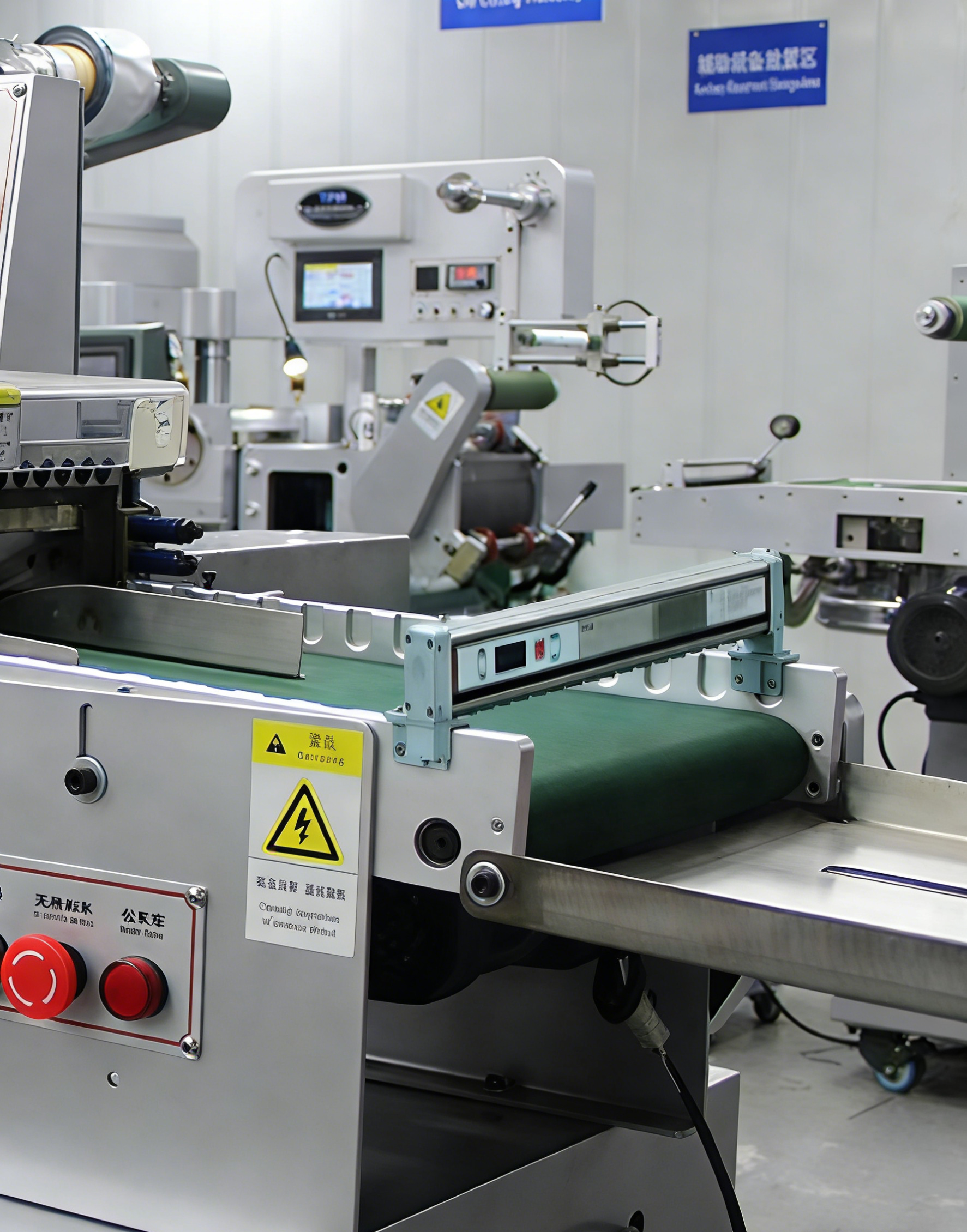
You must control static electricity to keep products safe. It also helps protect workers from harm. Static charges can build up fast during work. These charges may cause problems you cannot see right away. Good static control lowers the chance of defects and accidents. It also helps your assembly line work better.
Static electricity comes from many things in factories:
Friction happens when two materials rub together. One material gets more electrons, and the other loses them.
Conduction happens when a charged object touches another object. The charge moves from one to the other.
Induction happens when a charged object is close to another object. The charges inside move even though they do not touch.
If you do not control static, you can have big problems. You might see sparks, hear pops, or feel shocks. These signs mean static is there and can be dangerous.
Static electricity can cause damage and safety problems. You may see these issues on your assembly line:
Incident Type | Description |
|---|---|
Electronic Pathway Damage | Small electronic parts can break because of static electricity. |
Contamination of Materials | Raw materials and finished goods can get dirty or ruined. |
Clinging of Plastic Webbing | Plastic webbing can stick to itself or machines, causing trouble. |
Misalignment of Conveyed Products | Products can push away from each other, leading to drops or mistakes. |
Operator Injury | Workers may feel pain or get hurt from static shocks. |
Accumulation of Defects | Not fixing the charge can cause defects and bad products. |
You may also face these dangers:
Spark discharge can light dust clouds or vapors if machines are not grounded.
Cone discharge can happen in powders and cause explosions if not handled right.
There was a dust explosion and fire in Tuas, Singapore. It happened because static electricity built up in potato starch powder.
Static electricity can light gases and vapors if you do not control it well.
Assembly Line Ionizer Bars help fight static electricity. These devices make a mix of positive and negative ions. The ions move to charged surfaces on your assembly line. When ions reach these surfaces, they balance the static charge. This stops electrostatic discharge and keeps products safe.
Here is how ionizer bars work:
They use high voltage at special points to make a corona discharge. This turns air into ions.
The ions stick to charged particles on your products. This makes the surface balanced.
You can put ionizer bars on conveyor systems. This removes dust and static at the same time.
Balancing static also stops dust from sticking again. This keeps your products clean.
When you use Assembly Line Ionizer Bars, you protect products, workers, and equipment from the dangers of static electricity.
Look at how your assembly line works before picking ionizer bars. Each process has its own risks and needs. Check if your current setup is reliable. Think about what could break, like dirty emitter tips or old power supplies. These problems can make ionizer bars stop working well. Watch for sparking, arcing, or weird noises. These signs mean there might be electrical faults.
Make sure your assembly line follows important rules for making things. Standards like ISO 14644-1:2015 help keep products safe and high quality. The environment matters too. Humidity and temperature can change how ionizer bars work. Hot or damp places might need special equipment.
Here is a table to help you look at the main things to check:
Operational Factor | Description |
|---|---|
Reliability & Engineering Risk Analysis | Checks for problems like dirty emitter tips and weak power supplies. |
Maintenance Indicators | Signs include sparking, arcing, or strange sounds that show electrical faults. |
Compliance with Manufacturing Standards | Following rules like ISO 14644-1:2015 keeps products safe and good. |
Specific Operational Environment | Things like humidity and temperature affect how ionizer bars work and last. |
Tip: Write down any problems you see. This helps you find patterns and fix things faster.
Find out where static builds up most on your assembly line. Use special tools to measure static. Handheld meters, like the SMC IZH10, help you find trouble spots fast. Some factories use sensors that stay in place and watch for static all the time. These sensors help you control static and make sure your safety steps work.
You can use ionizers to test if static goes away in certain spots. If you see a big drop in static, you found a problem area.
Here are some common ways to find static problem spots:
Method | Description |
|---|---|
Static Measurement Equipment | Handheld meters like the SMC IZH10 find static areas quickly. |
Permanently Installed Sensors | These sensors watch problem spots all the time to make sure ESD steps work. |
Ionizers | Devices that get rid of static by sending out positive and negative ions. |
Note: Walk along your assembly line and check each step. Static can build up in places you do not expect.
Find out how much of your assembly line needs protection. Measure the length and width of places where static is a problem. Some spots need more coverage than others. Think about how products move and where they stop. If you have wide conveyor belts or big machines, you may need longer ionizer bars or more than one bar.
Draw a simple map of your assembly line. Mark the places where you found static problems. This map helps you decide how many ionizer bars you need and where to put them. When you match the right size and number of bars to your needs, you get better results from your Assembly Line Ionizer Bars.
Remember: The right coverage keeps products safe and workers protected.
Choosing the right type of ionizer bar helps you control static electricity on your assembly line. You will find different designs and technologies. Each one works best in certain situations. Understanding these types makes it easier to match your needs with the right solution.
You can pick between AC and DC ionizer bars. AC bars use alternating current. They create both positive and negative ions at the same time. This means you get a balanced flow of ions. AC bars work well for general static control. You often see them in places where you need steady performance.
DC bars use direct current. They can make more ions in a short time. You can set DC bars to produce more positive or more negative ions, depending on your needs. DC bars work well for tough static problems. You might use them when you need fast static removal or when you want to control the ion balance closely.
Tip: If you want simple, steady static control, choose AC bars. If you need more power or control, try DC bars.
Ionizer bars can also work in pulsed or continuous modes. Continuous ionization means the bar sends out ions all the time. This keeps static levels low and steady. You use continuous ionization when your assembly line runs without stopping.
Pulsed ionization works differently. The bar sends out bursts of ions in short pulses. This method can save energy. It also helps when you want to avoid too many ions in the air. Pulsed ionization works well in places where static builds up quickly but does not stay for long.
You should think about your process speed and how often static appears. Fast-moving lines may need continuous ionization. Slower or stop-and-go lines might do better with pulsed ionization.
You can choose between bar ionizers and nozzle ionizers. Bar ionizers stretch across a wide area. They give a strong air blast. This air removes dust and static at the same time. Bar ionizers work well when you need to cover large surfaces or conveyor belts.
Nozzle ionizers come in two main types. Hand-held nozzles let you control the ion flow with a trigger. You can point them right where you need static removed. Stationary nozzles can be remote controlled. These work well for small spots or hard-to-reach places.
Here is a table to help you compare bar and nozzle ionizers:
Type of Ionizer | Advantages | Disadvantages |
|---|---|---|
Bar Ionizers | Provides a strong air blast to dislodge contamination and eliminates static attraction simultaneously. | Not specified |
Nozzle Ionizers | Hand-held types allow for user control with triggers; stationary types can be remote controlled. | Not specified |
Note: Use bar ionizers for wide coverage. Use nozzle ionizers for targeted static control.
When you know the differences between these types, you can choose the best Assembly Line Ionizer Bars for your needs.
You need to check how much static is on your assembly line. Different products can build up static in different ways. Some things get a strong static charge. Others only get a little bit of static. The best ionizer bar depends on how much static you want to remove.
The shape of your product is important too. Flat things are easier to fix with ions. Curved or bumpy shapes are harder for ions to reach. You should pick an ionizer bar that matches the shape of your items.
High-voltage ionizers are good for big spaces or things with lots of static.
Small ionizer bars are better for tiny spots or small areas.
You should check what your products are made of. Some plastics and films keep more static than metal or glass.
If you have many shapes and sizes, you might need more than one kind of ionizer bar.
Tip: Walk along your assembly line and look for places where static builds up the most. Pick an ionizer bar that fits both the static level and the shape of your products.
The air and the room around your assembly line can change how ionizer bars work. You need to check airflow and humidity before you choose a bar. Some ionizer bars need air to spread ions. Others can work without moving air.
Environmental Factor | Description |
|---|---|
Airflow | Some ionizer bars need air to work right. You should check if your workspace has enough air moving for these bars. If not, pick a bar that does not need airflow. |
Humidity | Water in the air changes how static builds up. High humidity (over 50%) makes things lose static faster. Low humidity (under 30%) makes static stronger and harder to get rid of. |
You should also think about heat and dust. Hot or dusty places can make ionizer bars break faster. If your factory is hot or dusty, pick bars made for tough places.
Note: Write down the humidity and airflow in your workspace. This helps you choose the right ionizer bar for your needs.
You want your ionizer bars to last and work well. The material and how they are made is important. Some people think all ionizer bars are the same, but they are not.
Do not pick the cheapest bar just to save money. Cheap bars break faster and cost more later.
Look for ionizer bars that follow industry rules. These rules show the bar passed important tests.
Standard Code | Description |
|---|---|
ANSI/ESDA/JEDEC JS-002 | ESD Sensitivity Testing – Charged Device Model (CDM) – Device Level |
ANSI/ESDA/JEDEC JS-001-2017 | ESD Sensitivity Testing – Human Body Model (HBM) – Component Level |
ANSI/ESD S20.20-2014 | Protection of Electrical and Electronic Parts, Assemblies and Equipment |
ANSI/ESD STM3.1-2015 | Standard Test Method For the Protection of ESD Susceptible Items - Ionization |
ANSI/ESD SP3.3-2016 | Periodic Verification of Air Ionizers |
ANSI/ESD SP3.4-2016 | Verification of Air Ionizer Performance |
ANSI/ESD SP3.5-2020 | Test Methods for Various Ionizers |
ESD TR20.20-2016 | Handbook for ESD Control Program Development |
You should check if the ionizer bar has a strong frame and good parts. Some people think only bars from other countries are good, but many local bars are also high quality.
Tip: Ask for proof of testing and certificates before you buy. This helps you avoid mistakes and keeps your Assembly Line Ionizer Bars working well.
You must think about ozone when you choose ionizer bars for your assembly line. Some ionizer bars make ozone as a byproduct. Ozone is a gas that can clean the air, but it can also cause health problems if you breathe too much of it.
Ozone can affect your body in many ways:
It can make asthma worse.
It can irritate your throat and make you cough.
It can cause chest pain and make it hard to breathe.
It can inflame your lung tissue.
It can make you get respiratory infections more easily.
You should know that ozone can bother people with asthma or lung problems even more. You should never use ozone generators in places where people work. Long-term exposure to ozone is not safe.
There are rules for how much ozone is allowed in the air:
The FDA says indoor medical devices should not make more than 0.05 parts per million (ppm) of ozone.
OSHA does not allow workers to breathe more than 0.10 ppm of ozone on average over 8 hours.
NIOSH says you should not go over 0.10 ppm at any time.
You should always check the ozone output of your ionizer bars. Pick models that make very little ozone. If you use Assembly Line Ionizer Bars in a place where people work, make sure the ozone level stays below the safety limits. You can use air filters or good ventilation to help keep the air safe.
Tip: Always read the safety information from the manufacturer. If you smell a sharp, clean odor, check the ozone level right away.
You need to install and take care of your ionizer bars the right way. Good installation and regular maintenance help your bars work well and last longer.
When you install ionizer bars, follow these steps:
Place the bars where static builds up the most.
Make sure the bars are close enough to the products but not touching them.
Use the right brackets and mounts so the bars stay in place.
Check that the power supply matches the bar’s needs.
After you install the bars, you must keep them clean. Dust and dirt can stop them from working. You should clean the bars on a regular schedule. Use isopropyl alcohol and a soft brush to wipe the emitter points. Do not use water or rough tools.
You can also set up controls for the environment. Humidity regulation and air filtration help keep dust and static down. If you hear strange sounds, like sparking or popping, check the bars right away. These sounds mean the bars need cleaning or repair.
Here is a simple checklist for maintenance:
Clean emitter points with isopropyl alcohol and a soft brush.
Check for dust and dirt every week.
Listen for unusual sounds.
Look for sparks or arcs.
Make sure the power supply works well.
Note: Regular cleaning and quick checks help you avoid big problems and keep your assembly line safe.
You need ionizer bars that get rid of static fast. This keeps your products safe. Some bars work better than others. You can look at their features in this table:
Feature | 24V DC Ionization Bars | AC Ionizing Bars |
|---|---|---|
Power Supply | Built-in high-voltage power supply | Uses an outside high-voltage cable |
Shock Safety | Safe to touch, no shocks | Not safe to touch, can shock |
Range Options | Works for short and long distances | Works for short and long distances |
Smart Features | Has measuring and feedback tools | Does not have smart features |
Certification | UL-certified | UL-certified |
24V DC ionization bars have smart tools. These tools help you check how well the bar works. You can change settings easily. They remove static fast and keep ion levels balanced. Small bars are good for electronics. Big bars are good for factories that run all the time. Many companies pick bars with smart controls for better results.
Tip: Pick ionizer bars with feedback and monitoring if you want to keep static low all the time.
You want ionizer bars that last long and do not break. Look for these things:
Aluminum housing keeps the bar safe from damage.
Good ionization technology stops static.
Low maintenance saves you time.
High ion balance means fewer bad products.
Fast static removal helps your line work well.
Easy setup lets you start quickly.
Many bars use strong materials and smart designs now. You can trust them in tough places. If you clean and check them often, they last longer.
Note: Reliable bars help you avoid downtime and keep your assembly line safe.
Think about price and help after you buy. Some bars cost more because they have smart tools or strong parts. Cheaper bars may not last as long.
Ask these questions before buying:
Does the company give a warranty?
Can you get new parts easily?
Is there help if you have problems?
How much will you spend on maintenance each year?
You want good value for your money. Paying more at first can save money later. Good support helps you fix problems fast and keeps your Assembly Line Ionizer Bars working well.
Remember: The best choice gives you strong performance, long life, and good support.
You can make a smart choice by following a clear checklist. This helps you remember every important detail before you buy. Use this list as you look at different ionizer bars for your assembly line.
Identify Static Problem Areas
Walk along your assembly line. Use a static meter to find where static builds up.
Measure Coverage Area
Write down the length and width of each problem spot. Draw a simple map if you need to.
Check Product Types and Shapes
Look at the items on your line. Note if they are flat, curved, or have special shapes.
Review Environmental Conditions
Record the humidity and temperature. Notice if the area is dusty or hot.
Compare Ionizer Bar Types
Decide if you need AC, DC, pulsed, or continuous bars. Think about bar or nozzle types.
Check Material and Build Quality
Ask for certificates and test results. Make sure the bar meets industry standards.
Review Ozone and Safety Data
Read the safety sheet. Check the ozone output and make sure it is safe for workers.
Plan for Installation and Maintenance
Find out how to mount the bar. Ask how often you need to clean it.
Compare Cost and Support
Look at the price, warranty, and support. Ask about spare parts and help after you buy.
Tip: Print this checklist and use it during your site walk. You can check off each step as you go.
A decision matrix helps you compare different options side by side. You can make your own matrix to fit your needs. List the features that matter most to you. Give each feature a score for every ionizer bar you consider.
Here is a simple example:
Feature | Bar A | Bar B | Bar C |
|---|---|---|---|
Static Removal Speed | 4 | 5 | 3 |
Ozone Safety | 5 | 4 | 5 |
Build Quality | 4 | 3 | 5 |
Maintenance Needs | 3 | 5 | 4 |
Price | 4 | 3 | 5 |
Support | 5 | 4 | 3 |
Total Score | 25 | 24 | 25 |
You can change the features or scoring system. Use numbers from 1 (poor) to 5 (excellent). Add up the scores to see which bar fits your needs best.
Note: Involve your team in scoring. Different people may notice different things.
When you use a checklist and a decision matrix, you make it easier to pick the right Assembly Line Ionizer Bars for your factory.
You can make ionizer bars work better by using good setup methods. Put ionizing bars above robots to help robots work longer. This also makes more products. Attach an ionizer bar to the front of the ULPA filter in a stepper minienvironment. This setup means you only need maintenance once every six weeks. It also lets you make more products, over ten percent more. Ceiling or bar-type ionizers are good for minienvironments. Pick the right size and height so ions reach your products.
Practice Description | Outcome |
|---|---|
Installing ionizing bars over the robot | Robots work longer, and you get two percent more products. |
Attaching an ionizer bar to the face of the ULPA filter in a stepper minienvironment | Maintenance drops to once every six weeks; you make over ten percent more products. |
Using ceiling or bar-type ionizers in minienvironments | Ions reach products well if you pick the right size and height. |
Tip: Draw a map of your assembly line. Put ionizer bars where static builds up most. Keep bars close to products but do not let them touch.
You keep ionizer bars working well by doing regular maintenance. Scheduled maintenance stops surprise breakdowns. Descaling removes minerals from electrodes and keeps bars strong. Check your ionizer bars often to find problems early.
Maintenance Procedure | Description |
|---|---|
Scheduled Maintenance | Regular maintenance stops surprise breakdowns from equipment problems. |
Descaling | Descaling removes minerals that can hurt performance. |
Regular Inspections | Inspections help you find and fix problems quickly. |
Descale your ionizer bars every one to three months. How often depends on water hardness.
Clean inside the machine at least every nine months. Do this when you change the filter.
Inspections help you spot dust, dirt, or scale before they cause trouble.
Note: Clean emitter points with isopropyl alcohol and a soft brush. Do not use water or rough tools.
You can fix most ionizer bar problems by checking a few things. If you hear sparking or popping, clean the emitter points right away. If static stays high, check the power supply and connections. Dust or scale can block ions. Clean these off often.
Listen for strange sounds. These can mean electrical problems.
Look for sparks or arcs. These show the bar needs cleaning or repair.
Make sure the power supply fits the bar’s needs.
If ionizer bars stop working, check your maintenance log for missed steps.
Callout: Keep a simple troubleshooting checklist near your assembly line. Quick checks help you fix problems before they hurt production.
You keep products high in quality and workers safe by following these tips. Regular care and smart setup keep ionizer bars working well.
You can pick the best ionizer bar if you follow these steps. Make sure the features fit what your assembly line needs. Use the checklist and the decision matrix to look at your choices.
Find where static is a problem.
Look at the shapes of your products and your workspace.
See how different bar types and safety rules compare.
Remember: If you plan well, your products will be better, your workplace will be safer, and your line will run smoother. Take time to think about what you need before you buy.
You use an ionizer bar to remove static electricity from surfaces. This helps protect products and keeps workers safe.
You check for static with a meter. You mark spots where static builds up. You install bars close to these areas.
You can use special ionizer bars made for tough conditions. You check the product label for dust and humidity ratings.
You clean emitter points with isopropyl alcohol and a soft brush. You check bars every week for dust or dirt.
You pick bars with low ozone output. You follow safety rules. You keep ozone levels below limits set by OSHA and FDA.
You get longer life if you clean and check bars often. Most bars last several years with proper care.
You use AC bars for steady static control. You use DC bars for stronger static removal and faster results.
You follow the manufacturer’s instructions. You use the right mounts and brackets. You check the power supply before turning on the bar.
