
Views: 0 Author: Site Editor Publish Time: 2026-01-20 Origin: Site


Static shielding bags keep electronics safe from electrostatic discharge. Anti-static bags only stop static from building up on their surface. Use static shielding bags for delicate things like microchips and circuit boards. This keeps them safe when you ship or store them. Anti-static bags work for items that are not sensitive, like nuts and bolts. These items do not need strong ESD protection. Always close static shielding bags all the way. This keeps the barrier strong against static electricity. Knowing the difference between these bags helps you pick the right one. This stops your electronics from getting damaged.

Static shielding bags help keep electronics safe from static electricity. These bags look shiny and you can see through them. Their special design stops static from getting inside. People use these bags to ship and store sensitive parts. Static shielding bags give strong protection for your devices. You feel better knowing your electronics are safe.
Static shielding bags make a barrier called a Faraday cage. This cage stops static electricity from touching your electronics. The metal layer inside blocks electric fields. When you seal your device in the bag, the cage keeps static away. Your circuit boards and chips stay safe from damage. The Faraday cage makes these bags very dependable.
Static shielding bags have many layers to protect electronics. The inside layer is static dissipative polyethylene. There is a metal layer, usually aluminum, that blocks static. The outside layer is polyester with a special coating. This layered design gives strong protection. You can compare different bags in the table below:
Type of Bag | Material Composition | ESD Protection Level | Description |
|---|---|---|---|
Dissipative "pink poly" | PE with weakly conductive chemical | Reduces 1000 V to 800 V | Not much shielding, mostly antistatic. |
Semi-conductive "black poly" | Carbon-loaded PE | Reduces 1000 V to 600 V | Some shielding, no electrical isolation. |
Shield bag (silvery translucent) | Multi-layer laminate with metallised film | Reduces 1000 V to 20 V | Great shielding using Faraday cage effect. |
Moisture-barrier bag | Shielding bag with vapor barrier layer | Same as shielding bag | Adds moisture protection. |
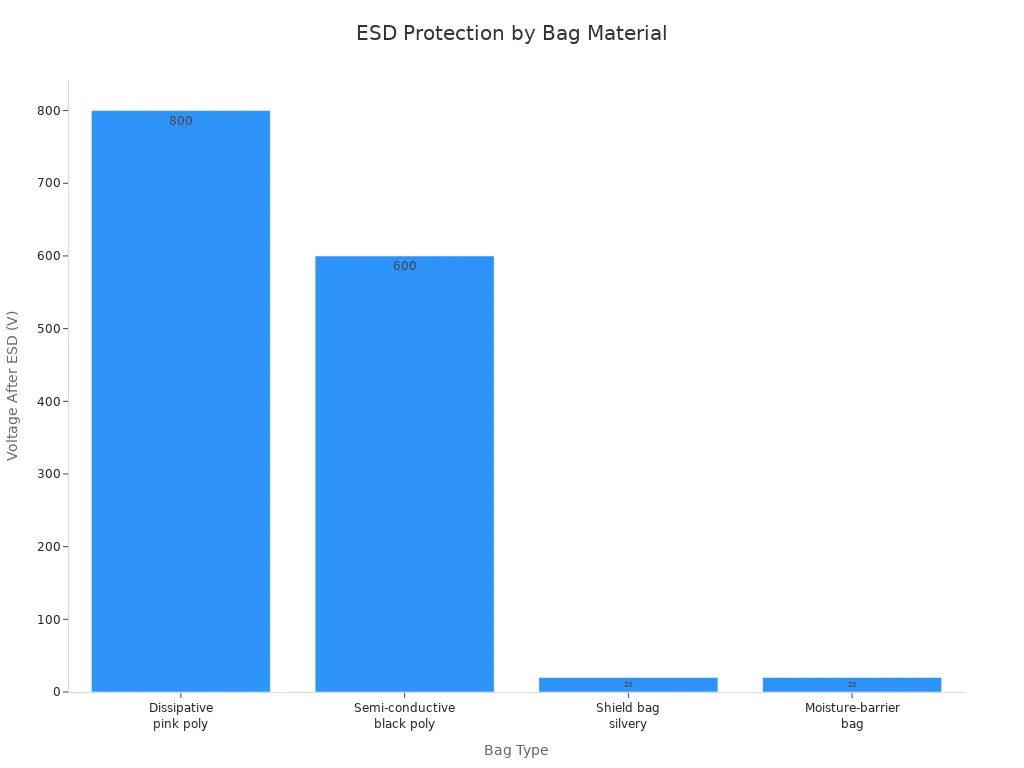
Tip: Always close your static shielding bags all the way. If the bag is open, it cannot protect your electronics from static.
Static shielding bags protect circuit boards, sensors, and other sensitive devices. These bags help when you ship or store electronics. They keep your electronics safe from static shocks. Many companies and the military use static shielding bags for their best parts. You should use these bags when you need the most protection.
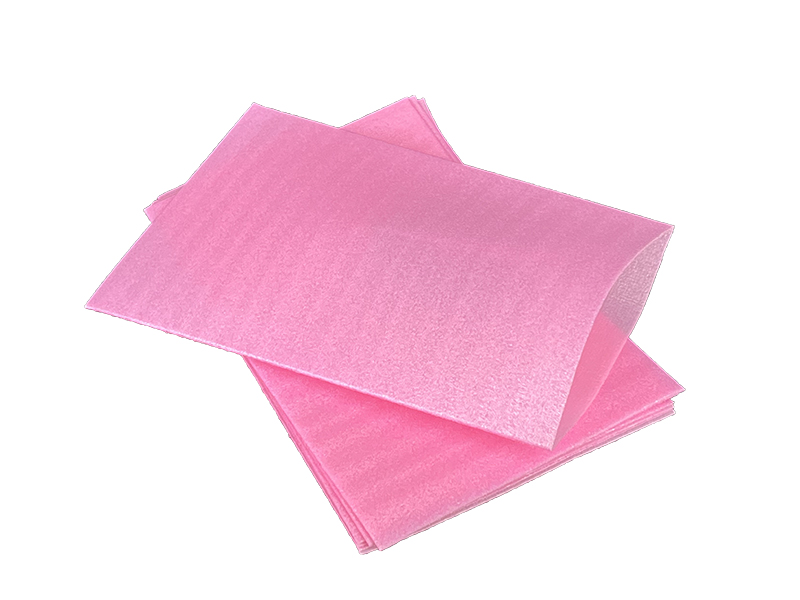
You can find anti-static bags in many electronics stores and factories. These bags help stop static electricity from building up on your devices. Most anti-static bags are pink. The pink color means the bag is safe for places with static-sensitive items. You use anti-static bags to stop static from forming. But these bags do not protect against electrostatic discharge. If you need to ship or store things that are not very sensitive, anti-static bags are a good choice.
Anti-static bags are made from materials that do not make or hold static charges. When you touch or move the bag, it will not build up static electricity. The surface of anti-static bags has a resistivity between 10^9 and 10^11 ohms per square. This means the bag can get rid of static charge fast. The average time for static to go away is about 0.5 seconds at 12% humidity. You can trust anti-static bags to keep your work area safe from static.
Note: Anti-static bags only stop static from building up. They do not block electrostatic discharge from outside the bag.
Anti-static bags are made from polyethylene with a special additive. This material stops static from forming on the bag’s surface. The pink color shows the bag is anti-static. Some bags are black or clear, but pink is most common. You can see the differences in materials and resistivity in the table below:
Material Type | Surface Resistivity Range |
|---|---|
Conductive Material | Less than 10^5 ohms/square |
Static Dissipative Material | 10^5 to less than 10^12 ohms/square |
Anti-Static Material | Prevents build-up of static charges up to 200V |
You use anti-static bags in many jobs. These bags protect items that are not very sensitive to static. Here are some common uses:
Electronics manufacturing: You pack microchips and circuit boards.
Telecommunications: You ship routers and servers.
Medical devices: You protect pacemakers and monitors.
Automotive: You keep sensors and control modules safe.
Data storage: You store hard drives and memory modules.
Consumer electronics: You ship phones, laptops, and gaming consoles.
Other uses: You pack optics, photonics, and raw materials.
Application Sector | Description |
|---|---|
Electronics Manufacturing | Protects microchips, circuit boards, semiconductors, and processors from ESD. |
Aerospace and Defense | Keeps high-tech parts like navigation systems and avionics safe. |
Telecommunications Equipment | Makes sure routers and servers ship safely. |
Medical Devices | Protects medical equipment like pacemakers and monitors. |
Automotive Industry | Used for sensors and control modules during shipping. |
Data Storage and IT Hardware | Stops static from building up in hard drives and memory. |
Consumer Electronics | Keeps phones, laptops, and game consoles safe when shipped. |
Other Applications | Used for photonics, optics, and static-sensitive raw materials. |
You see that anti-static bags are helpful when you need simple protection from static. These bags are easy to use and cost less than other types.
When you compare static shielding bags and anti-static bags, you see they protect electronics in different ways. Each bag works in its own special way. You should learn how each bag works, what it is made of, and when to use it. This section will help you understand the difference between static shielding bags and anti-static bags. You will know how to pick the best bag for your electronics.
You want your electronics safe from static shocks. Static shielding bags and anti-static bags are not the same. Static shielding bags protect your devices from electrostatic discharge inside and outside the bag. These bags have many layers that act like a Faraday cage. The cage blocks static from touching your sensitive parts. Your circuit boards and chips get full protection.
Anti-static bags only stop static from building up on the bag’s surface. They do not block electrostatic discharge from outside the bag. If you use anti-static bags for delicate electronics, static shocks can still cause damage. You should use static shielding bags when you need the most safety.
Tip: Always close your static shielding bags all the way. If the bag is open, it cannot protect your electronics from static.
Static shielding bags and anti-static bags are made differently. Static shielding bags have several layers. The inner layer is static dissipative polyethylene. The middle layer is polyester. The outer layer has a static dissipative coating. There is also an aluminum shielding layer. All these layers work together to block static and keep your electronics safe.
Anti-static bags use one layer of plastic with anti-static agents. This design stops static from forming on the bag’s surface. It does not block static from outside the bag.
Here is a table that shows the differences:
Feature | Anti-Static Bags | Static Shielding Bags |
|---|---|---|
Material | Plastic with anti-static agents | Multi-layer with metallic material |
Layers | Single | Multiple (polyethylene, polyester, aluminum) |
Protection Level | Basic static prevention | Full ESD protection |
Shields Against | Internal static | Internal and external ESD |
You can see that static shielding bags give much better protection than anti-static bags because of their multi-layer design.
You need to know when to use each bag. Static shielding bags are best for expensive electronics. Use them for semiconductors, medical electronics, and other delicate parts. Even a tiny static charge can ruin small circuits. Static shielding bags keep your devices safe where accuracy matters.
Anti-static bags work well for items that are not very sensitive. You can use them for nuts, bolts, manuals, or other parts that do not need strong ESD protection. If you work in a static-controlled area, anti-static bags help keep your workspace safe.
Use static shielding bags for:
Semiconductors
Medical electronics
Circuit boards
Hard drives
Sound cards
Use anti-static bags for:
Non-sensitive parts
Manuals
Nuts and bolts
Note: Always check what your product needs before picking a bag. The right bag keeps your electronics safe.
Here is a quick way to compare static shielding bags and anti-static bags:
Feature | Static Shielding Bags | Anti-Static Bags |
|---|---|---|
Layers | Multi-layer (with metal) | Single-layer (plastic) |
ESD Protection | Yes (inside and outside) | No (only prevents buildup) |
Typical Color | Silvery, translucent | Pink, black, or clear |
Best Use | Sensitive electronics | Non-sensitive items |
Cost | Higher | Lower |
Now you know the difference between static shielding bags and anti-static bags. You can choose the right bag and keep your electronics safe.
Some people think static shielding bags and anti-static bags are the same. This is not true. These bags protect electronics in different ways. Static shielding bags block static electricity and electrostatic discharge. Anti-static bags only stop static from building up on the bag’s surface. They do not block static from outside the bag. If you work with sensitive electronics, you need to know this difference. Picking the wrong bag can harm your devices.
Anti-static bags are often pink. The pink color comes from a chemical in the plastic. This chemical helps stop static electricity from building up. The color makes these bags easy to find at work. Pink bags mean the material is anti-static, not shielding. Pink bags do not block electrostatic discharge. They only help lower static on the outside.
You should not use anti-static bags instead of static shielding bags for sensitive products. Anti-static bags only stop static from forming on the bag. They do not block static shocks from outside. Static shielding bags have metal and plastic layers. These layers make a Faraday cage. The cage protects electronics from static and electrostatic discharge. Always pick the right bag for your product.
Military and industry standards help you choose the best packaging for sensitive electronics. These rules make sure bags protect against static, moisture, and electromagnetic interference. MIL-PRF-81705 is one example. It sets rules for static shielding and anti-static bags:
Bags protect against water vapor, static electricity, and electromagnetic interference.
Type I materials give moisture protection, ESD protection, and EMI shielding with many layers.
Class 1 materials work with manual and machine sealing.
Bags must have labels with the specification number, type, class, and manufacturer’s name.
You should check if your packaging meets these standards. In places that use circuit boards or other sensitive parts, certified bags keep products safe during shipping and storage.
You learned that static shielding bags block static inside and outside. Anti-static bags only stop static from building up. Use static shielding bags for things like microchips and semiconductors. Always check if your packaging follows the rules before you buy. This keeps your products safe and helps you avoid problems.
Compliance Issue | Description |
|---|---|
Market Access | If your packaging does not follow the law, your products may not be allowed in some places. |
Financial Risks | Not following the rules can mean big fines or recalls. This can cost a lot of money. |
Brand Reputation | If you do not follow the rules, people may not trust your brand anymore. This can hurt your business for a long time. |
If you are not sure what to do, ask an expert or supplier for help. They can give you good advice for your products.
You get ESD protection from static shielding bags. Anti-static bags only prevent static buildup. Static shielding bags use metal layers to block static shocks. Anti-static bags use special plastic to reduce static.
You can reuse static shielding bags if they stay clean and undamaged. Always check for holes or tears before using them again. Damaged bags lose their protective properties.
Color | Meaning |
|---|---|
Pink | Anti-static |
Silver | Shielding |
You see pink bags because manufacturers add chemicals to the plastic. Pink shows the bag is anti-static, not shielding.
Yes, you must seal static shielding bags completely. An open bag cannot block static electricity. Always close the bag to keep your electronics safe.

